



The Complete Coffee Guide: How to Choose the Right Coffee for Your Taste & Brewing Method

Here's how to actually pick the coffee you'll love, based on roast, origin, flavor profile and how you brew.
Choosing a coffee can get complicated quickly.
Medium roast or dark roast? Single origin or blend? What works for espresso, and what's better suited to a French press? And if you like chocolatey coffee instead of fruity coffee, does the roast level tell you everything you need to know?
Not quite.
Roast level is an important part of how coffee tastes, but it isn't the whole story. Origin, processing method, the characteristics of the green coffee, and how you brew it all shape what ends up in your cup.
That's why the best way to choose coffee isn't simply to ask, "What roast do I like?"
It's to ask: What flavors do I enjoy, and how am I going to brew the coffee?
This guide will help you answer both.
In This Guide
Coffee Roast Levels at a Glance
| Roast Level | Typical Appearance | Common Characteristics | Great Starting Point For |
|---|---|---|---|
| Light Roast | Light brown, dry surface | Bright, floral, fruity, delicate, origin-forward | Pour-over, Chemex |
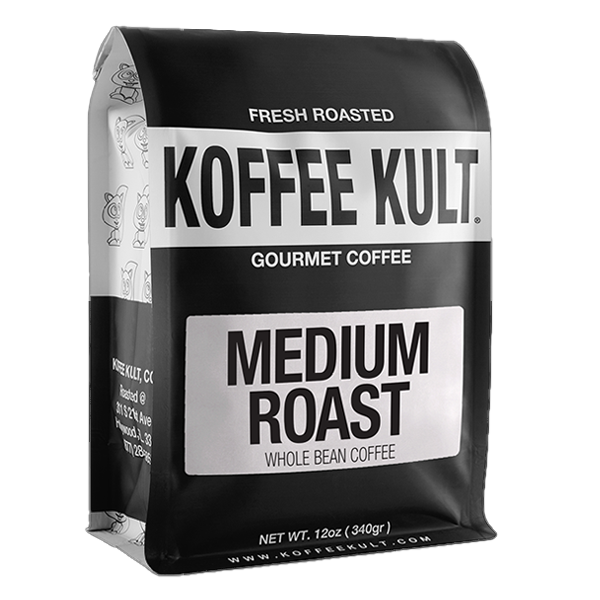
| Medium Roast | Medium brown, usually dry | Ranges from bright and fruity to chocolatey, nutty and caramelized | Drip, pour-over, French press, espresso |
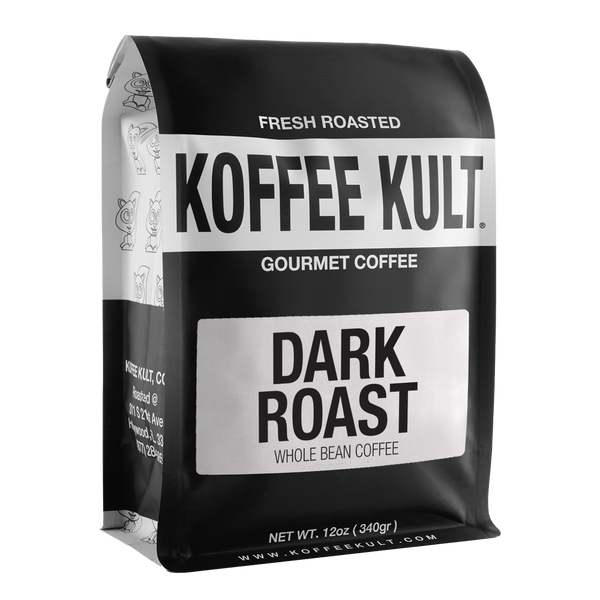
| Dark Roast | Dark brown to nearly black, sometimes oily | Bold, heavy-bodied, roasty, bittersweet, smoky | Drip, French press, espresso, Moka pot |
Coffee doesn't fit neatly into three flavor boxes. Roast level helps predict what you'll experience, but the coffee's origin and natural characteristics matter tremendously.
That's part of what makes specialty-grade coffee so exciting. Two exceptional coffees can taste almost nothing alike and still both be incredible & one might burst with fruit and florals while another leans rich with cocoa, caramel, spice, or nuts. Discovering those differences is one of the best parts of drinking specialty coffee.
A fruit-forward Ethiopian coffee doesn't suddenly become a chocolate-and-nut coffee simply because it's roasted to medium. Likewise, a naturally chocolatey Brazilian coffee can remain rich, sweet, and nutty at a medium roast.
Think of roast level as one piece of the flavor puzzle rather than the flavor itself.
1. Light Roast: Letting the Coffee Speak
Also Called: Cinnamon Roast, New England Roast, Half City
Light-roasted coffees spend less time developing in the roaster, generally finishing around or shortly after first crack. The goal is to preserve more of the characteristics inherent to the green coffee itself.
What Does Light Roast Taste Like?
Light roasts tend to emphasize characteristics associated with the coffee's origin, variety, altitude, and processing method. Depending on the bean, you might experience citrus, berries, stone fruit, tropical fruit, florals, tea-like qualities, honey-like sweetness, and bright acidity. They also generally have a lighter body than darker roasts.
2. Medium Roast: The Widest Flavor Spectrum
Also Called: American Roast, City Roast, Breakfast Roast
Medium roast is where coffee gets especially interesting. It's often described simply as the "balanced" roast, but that doesn't tell the whole story. Medium roasting generally allows more caramelization and body to develop while still preserving significant characteristics from the coffee's origin & which means the flavor spectrum can be enormous.
What Does Medium Roast Taste Like?
One medium roast might feature chocolate, caramel, almond and hazelnut. Another could feature peach, green apple, jasmine and rose. Both can genuinely be medium-roasted coffees. That's particularly important when shopping for single-origin coffee: a naturally fruit-forward Ethiopian coffee and a chocolate-forward Brazilian coffee can be roasted to similar levels and still produce dramatically different cups.

3. Dark Roast: Body, Depth & Roast Character
Also Called: French Roast, Italian Roast, Vienna Roast*
Dark-roasted coffee is taken further through the roasting process, often reaching or moving through second crack. As roasting progresses, more of the coffee's original characteristics give way to flavors created during roasting, resulting in a heavier-bodied, lower-perceived-acidity cup with deeper roast character.
What Does Dark Roast Taste Like?
Depending on the coffee and degree of roast, you may encounter dark chocolate, molasses, caramelized sugars, toasted nuts, baking spices, earthiness, tobacco and smoke. Not every dark roast needs to taste burnt or overwhelmingly bitter & a carefully developed dark roast can be bold, smooth, rich and complex while retaining sweetness and character.


*Roast terminology varies considerably between roasters, so these names aren't universal standards.
Roast Level Isn't Everything: Why Origin Matters
If you've ever tried two coffees roasted to a similar level and wondered how they could possibly taste so different, origin is probably a big part of the answer. Different growing regions produce remarkably different characteristics because of differences in altitude, climate, soil, coffee varieties, processing methods, and agricultural practices.
While no origin can be reduced to a single flavor profile, understanding some general tendencies can give you a much better starting point when choosing your next coffee.
Brazil
Brazilian coffees are often an excellent choice for someone who gravitates toward chocolate, caramel, nuts, substantial body, and lower acidity.
Colombia
Colombian coffee can offer a beautiful balance between sweetness, structure, and complexity.
Guatemala & Costa Rica
Central American coffees can venture much further into fruit, citrus, and florals, particularly when you're exploring distinctive specialty-grade lots.
These aren't simply "chocolate and caramel" coffees. They're examples of just how expressive Central American specialty coffee can become.
East Africa
East African coffees are famous for some of the most distinctive fruit and floral profiles in specialty coffee.
Two coffees from the same country, and yet dramatically different in the cup & that's the range East Africa offers.
Indonesia
Indonesian coffees can deliver substantial body and profiles that lean earthy, spicy, chocolatey, herbal, and deeply savory.
Origin and roast work together: a coffee's origin gives the roaster a particular set of characteristics to work with, and the roast profile determines how those characteristics are preserved, developed, transformed, or complemented.
Which Coffee Is Best for Your Brewing Method?
There isn't one roast level that you're "supposed" to use with each brewer. Different coffees emphasize different strengths depending on the brewing method.
Best Coffee for Espresso
You do not need an "espresso roast" to make espresso. Espresso is a brewing method, not a roast level. Dark roasts are popular because their body, sweetness and deeper roast characteristics can produce a powerful traditional espresso, but medium roasts can produce spectacular espresso too & sometimes with considerably more fruit, acidity and complexity.
Espresso drinkers don't have to choose dark roast. Choose based on whether you want your shot deep and chocolatey or bright and fruit-forward.
Best Coffee for French Press
French press uses full immersion and a metal filter, allowing more oils and fine particles into the cup, producing a heavier, rounder mouthfeel than paper-filtered brewing. It's an excellent method for coffees where body is part of the experience.
Best Coffee for Pour-Over
Pour-over brewing excels at clarity. A paper filter removes more oils and sediment than a French press, while the controlled brewing process makes individual characteristics within the coffee easier to distinguish & which is why pour-over is such a popular choice for distinctive single-origin coffees.
Pour-over is a great example of why you shouldn't shop by roast level alone. Two medium-roasted single origins can taste completely different when brewed this way.
Best Coffee for Drip Coffee Makers
If you use an automatic drip brewer every morning, you have perhaps the widest range of choices. Drip brewing works exceptionally well with medium and dark roasts, but a good brewer can also showcase lighter, more complex coffees. The better question is: what do you want your everyday coffee to taste like?
Your drip machine doesn't dictate your roast. Your palate does.
Choose Your Coffee by Flavor
Still not sure? Forget about roast levels for a moment and start with the flavors you actually want in your cup.
| If You Like... | Start With... |
|---|---|
| Chocolate, caramel & nuts | Horizon Gold, Brazil Cerrado, Midnight Velvet |
| Bold, dark & smoky | Thunder Bolt, E115: Element 115 |
| Spice & deep body | Road Dog, Sumatra Mandheling |
| Bright fruit & florals | Ethiopia Yirgacheffe, Guatemala Huehuetenango |
| Berries & wine-like fruit | Ethiopia Harrar |
| Fruit-forward complexity | Cumbres del Poas (Costa Rica) |
| Cocoa, spice & nuts | Colombia Huila |
| Smooth, balanced everyday coffee | Horizon Gold, Brazil Cerrado |
| Traditional bold espresso | Midnight Velvet, Road Dog, Thunder Bolt |
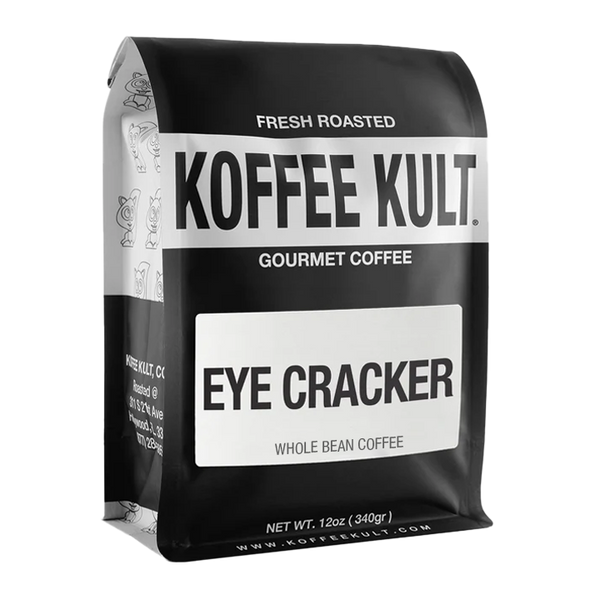
| Bright, fruit-forward espresso | Eye Cracker Espresso |
The Caffeine Myth: Does Dark Roast Have More Caffeine?
Here's one of coffee's most persistent myths: dark roast does not automatically contain more caffeine than light roast.
Where things get confusing is measurement. Dark-roasted beans lose more moisture during roasting and become less dense, which means measuring coffee by scoops rather than by weight can create differences in how much actual coffee you're using. Bean variety, serving size, coffee-to-water ratio and brewing method can also affect the caffeine in the finished cup.
So if caffeine matters to you, don't choose your coffee simply because the beans look darker.
So, Which Coffee Roast Is Right for You?
There's no universally "best" roast. There's only the coffee that best matches your palate and your brewing method.
If you love bright fruit, citrus and floral complexity, explore lighter and origin-forward medium roasts, especially distinctive single origins. If you prefer chocolate, caramel and nuts, look toward medium roasts and coffees from origins naturally associated with those characteristics. If you want substantial body, deep roast character, molasses, dark chocolate, earth or smoke, move toward darker roasting.
Don't choose a coffee because someone told you a particular roast "belongs" in your brewer. Choose the coffee whose flavors sound good to you, then use your brewing method to bring out the best it has to offer.