



The Rise of Flavored Coffee

Flavored coffee is trending again, and the appeal is easy to understand. Dessert-style profiles, nostalgic aromas, and approachable sweetness make flavored coffees feel familiar to casual drinkers who want something more playful than a plain cup. Recent reporting from FoodNavigator and Beverage Industry reflects that shift clearly.
But this conversation needs precision. Flavored coffee is not the same thing as café drinks. It is its own product category, usually built by treating coffee beans with added flavor compounds so the coffee itself tastes like vanilla, caramel, hazelnut, birthday cake, or something equally engineered. That is the category this article is about.
Koffee Kult's position is simple. We understand why flavored coffee trends. We also think great coffee should get its character from bean quality, origin, processing, and roast development, not from artificial flavor sprayed over the beans after the fact. That is the direction of the conversation, and it matters.
In This Article
Why Flavored Coffee Is Trending
Flavored coffee keeps finding new life because it lowers the barrier to entry. Someone who might not care about varietals, terroir, or processing methods can still immediately understand a bag labeled vanilla, churro, toasted coconut, or salted caramel. The flavor promise is obvious before the first brew.
It also taps into nostalgia. That matters more than coffee purists sometimes want to admit. Dessert flavors trigger memory, comfort, and familiarity, which makes flavored coffee easy to market and easy to buy, especially for at-home drinkers who want something that feels like a treat without leaving the kitchen.
Convenience is part of the story too. A flavored coffee can feel like a shortcut to a sweeter, more indulgent cup without requiring extra technique. That kind of built-in identity is exactly why the category keeps resurfacing in consumer trend coverage.
"Consumers are increasingly seeking flavored coffee beverages, with a notable rise in demand for nostalgic dessert flavors and regional preparations."
What People Like About It
To talk about flavored coffee honestly, you have to start by admitting what people enjoy about it. It is approachable. It is easy to understand. It smells big, sweet, and inviting as soon as the bag opens. For many casual coffee drinkers, that aromatic hit feels like proof of value.
People also like the predictability. A flavored coffee often promises the same experience every time, and for shoppers who are not interested in learning the difference between washed and natural processing, that consistency can feel like a benefit. The category also attracts gift buyers, seasonal shoppers, and people who want a coffee that feels festive or comforting without having to think too hard about it.
None of that is hard to understand. The issue is not that flavored coffee has no appeal. The issue is whether that appeal is worth what gets added to the bean to create it.
The Risks and Concerns Behind Flavored Coffee
This is where Koffee Kult parts ways with the category. Many liquid flavoring systems rely on chemical carriers such as propylene glycol to move aroma and flavor onto the beans. While certain compounds may be permitted for food use in small amounts, that does not automatically make them aligned with the kind of coffee product we want to roast or recommend.
There are also broader ingredient concerns. Some flavored coffee products, syrups, or ready-made builds lean heavily on sugar, artificial sweeteners, or hydrogenated oils to intensify the effect. For customers who care about metabolic health, gut health, ingredient simplicity, or anti-inflammatory eating, that matters. Even when the exact issue is not acute, the whole product category often moves in the opposite direction of clean, transparent coffee.
Then there is the labeling problem. Artificial flavor compounds do not always tell the customer much about the full formulation, and that can create discomfort for people with sensitivities, strict ingredient standards, or just a basic preference to know what is in the cup. On top of that, occupational safety concerns around prolonged inhalation of concentrated flavoring chemicals in industrial settings should make any serious coffee company think twice before pretending this category is harmless craftsmanship.
Most importantly, flavored coffee often asks the customer to stop caring about the bean itself. Once the coffee is built around an added flavor identity, sourcing quality, processing precision, and roast nuance all become less central to the sale. That is exactly backwards from how we think great coffee should work.
Why Quality Coffee Is Better
Great coffee already has flavor, real flavor, and a lot more of it than people give it credit for. A well-sourced coffee can taste like dark chocolate, cherry, citrus, molasses, cocoa, caramel, spice, tobacco, walnut, or honey without a drop of artificial flavoring ever touching the bean. That is not marketing language. That is what origin, variety, processing, and roast development actually do.
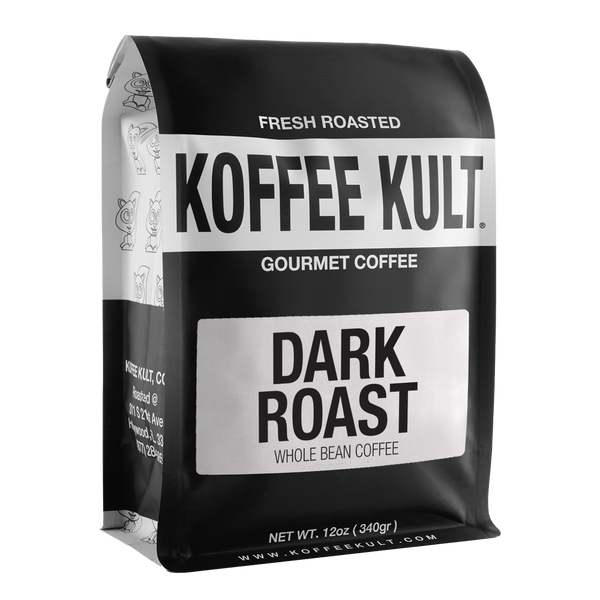
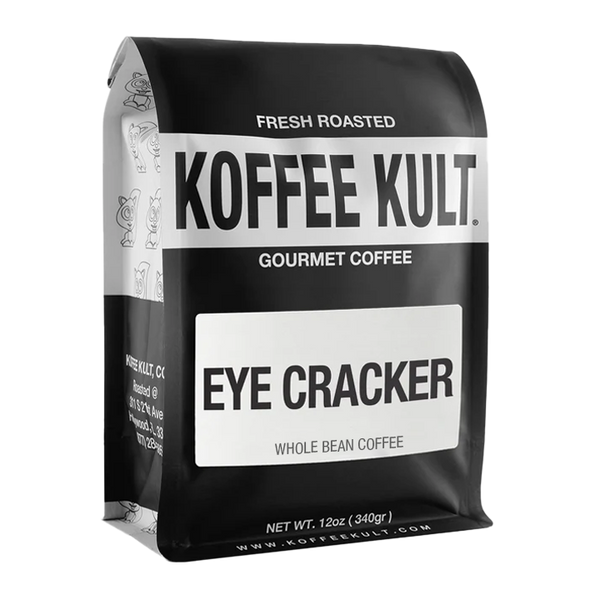
That is the heart of the Koffee Kult argument. We believe natural coffee character is not a limitation. It is the whole point. A coffee like our Dark Roast Coffee Beans already brings caramel, cinnamon, body, and a long finish. Our Eye Cracker Espresso Beans already carry bright fruit, tangerine, caramel, and cherry notes. Those are vivid flavor experiences, but they come from the coffee itself.
Processing methods matter too. Washed coffees can highlight clarity and acidity. Natural coffees can push fruit and sweetness. Honey-processed coffees can bring syrupy texture and layered sugar notes. Roast development can move a coffee toward brighter fruit or deeper caramelization. If you care about flavor, this is a better path because it respects both the bean and the drinker.
Technical Details: Where Real Flavor Actually Comes From
If you want naturally expressive coffee, the important variables are agricultural and roasting variables, not added flavor compounds.
- Origin: Soil, elevation, and climate shape the coffee's structure before it is ever roasted.
- Variety: Different cultivars can lean more floral, fruity, chocolatey, or spice-forward on their own.
- Processing: Washed coffees usually show more clarity, naturals push fruit and sweetness, and honey processes often create rounder sugar notes.
- Roast development: Lighter development preserves acidity and top notes, while darker development builds caramelization, body, and deeper roast character.
- Freshness: A roasted-to-order coffee preserves aroma and cup detail that stale coffee can never recover.
- Brew method: Espresso amplifies intensity, pour-over highlights clarity, and immersion methods usually push body and texture.
6 Truths Worth Knowing
Flavored coffee can trend hard and still be the wrong answer for a quality-focused roaster. These are the six takeaways that matter most.
|
Truth 01 The trend is real Flavored coffee is trending because it is easy to understand, easy to market, and easy to position as comfort in a cup. |
Truth 02 People like the familiarity Dessert names and sweet aromas remove the mystery for casual drinkers who do not want to decode origin notes. |
|
Truth 03 Added flavor changes the product Once flavor compounds become the headline, the bean itself often becomes secondary. |
Truth 04 Ingredient transparency matters Customers who care about quality should be allowed to know whether the flavor came from the coffee or from a post-roast treatment system. |
|
Truth 05 Natural bean character is richer than people think Origin, processing, and roast can create coffee that already tastes vivid, layered, and expressive without chemical flavoring. |
Truth 06 Better coffee is the better answer Koffee Kult would rather roast beans with genuine flavor than manufacture flavor on top of mediocre coffee. |
☕ Quick Tip
If a coffee's most exciting feature is the label flavor, not the bean itself, that tells you a lot about where the value is really being created. Start with coffees that are expressive before anything gets added.
Why We Still Roast the Real Thing
Flavored coffee is trending for understandable reasons. It is accessible, comforting, and easy to sell. But that does not mean it is the standard we want to chase. Koffee Kult believes the best flavor still comes from better sourcing, better processing, better roast development, and better freshness.
If you want coffee with real character, start with coffees that earn their notes honestly. Explore the heavier structure of our Dark Roast Coffee Beans, the brighter fruit and lift of Eye Cracker Espresso Beans, or the rotating selection in our Coffee Club. Visit the Hollywood roastery, brew something real at home, and taste what coffee can do without the chemical costume.
That is our take on the trend: understand why flavored coffee sells, be honest about its risks, and remember that truly great coffee already has more than enough flavor of its own.