


Cappuccino vs Flat White: One Espresso, Two Milk Ratios

A cappuccino and a flat white can begin with the very same espresso and still finish like different drinks. The difference is not a secret syrup or a stronger bean; it is the way milk volume, foam texture, and cup size shape what you taste. With National Cappuccino Day on November 8 as our cue, this week is a good time to pour both and compare them properly.
Why the milk ratio is the real story
The Fall 2026 National Coffee Data Trends media highlights put cappuccino at 17% and flat white at 4%, while straight espresso and latte each register 20%. That gap makes the cappuccino a useful teaching anchor: many more people recognize it, but fewer may be able to explain what changes when the same coffee becomes a flat white.
The percentages are a snapshot of the drinks tracked in that release, not a measure of which beverage is objectively better. They do, however, point toward a more useful home-barista lesson than “espresso is growing.” Instead of asking which name is trendier, ask how foam and milk change the roast’s aroma, sweetness, and finish.
For a current search check, compare “cappuccino” and “flat white” in US Google Trends over the past seven days. Search interest can fluctuate around holidays and café promotions, so treat it as a timely discovery signal rather than proof of consumption.
Cappuccino vs flat white: the practical difference
A traditional cappuccino gives you a clear espresso base, steamed milk, and a substantial cap of foam. That foam softens the first impression of the coffee and creates a lighter, airier mouthfeel. A flat white uses glossy microfoam in a thinner layer, integrating milk and espresso more seamlessly for a denser, creamier sip.
Recipes vary by café, so avoid treating one exact ounce count as universal. The dependable distinction is textural: a cappuccino celebrates the foam cap, while a flat white keeps that layer fine and low. Both should taste like coffee with milk—not milk with a vague coffee accent.
“Use one espresso base, then let the milk do the explaining: a foamy cap changes the arrival, while microfoam changes the texture.”
Four cues to notice in the cup
Taste the cappuccino first, then the flat white, and return to each after a minute. These four cues make the comparison more useful than simply deciding which one you like.
01 · Aroma
Smell before stirring
Notice whether chocolate, caramel, citrus, or spice reaches you first. A thicker foam cap can make the initial aroma feel softer than the espresso beneath it.
02 · Texture
Compare foam with microfoam
Cappuccino foam should feel plush and distinct. Flat-white microfoam should look glossy and feel integrated, without a thick layer of dry bubbles.
03 · Balance
Track the coffee through milk
Ask whether the roast remains recognizable from the first sip to the last. More milk can round off acidity, but it can also hide delicate origin character.
04 · Finish
Wait for the aftertaste
Look for cocoa, caramel, fruit, or warm spice after the milk sweetness fades. A clean finish tells you more about the beans than latte art ever will.
How to pour a side-by-side tasting
Use the same freshly ground coffee, dose, yield, water, and milk for both drinks. Prepare two small cups and keep the espresso variables fixed; otherwise, you will be comparing extraction differences rather than milk texture.
- Pull matching espresso shots. Taste a small spoonful first so you know the coffee’s baseline aroma and acidity.
- Steam one batch of milk. Aim for a glossy surface and fine bubbles, then split it before building the drinks.
- Give the cappuccino more foam. Hold back liquid milk with a spoon, pour, and finish with a clearly defined cap.
- Keep the flat white low and smooth. Swirl the pitcher to recombine milk and microfoam, then pour a thinner layer over the espresso.
- Taste without sugar first. Milk already changes perceived sweetness, so add nothing until you have compared both finishes.
If you want more brewing guides before setting up the tasting, browse the Koffee Kult coffee journal for roast and brew education. The goal is not café-perfect artwork; it is learning to recognize what your own palate prefers.
Technical details: keep the test controlled
These are practical starting points, not universal café laws. Adjust for your machine, basket, grinder, and cup size while changing only one variable at a time.
- Espresso ratio: begin near 1:2, such as 18 grams of dry coffee yielding about 36 grams of liquid espresso.
- Extraction window: start around 25–30 seconds, then grind finer or coarser according to taste and flow.
- Brew water: use your machine’s stable espresso setting, commonly around 195–205°F (90–96°C).
- Milk finish: stop heating around 140–150°F (60–65°C) for a sweet, pourable texture; avoid scalding.
- Comparison rule: match the espresso in both cups and keep total drink sizes close so foam texture remains the main contrast.
Choose beans that give the milk something to frame
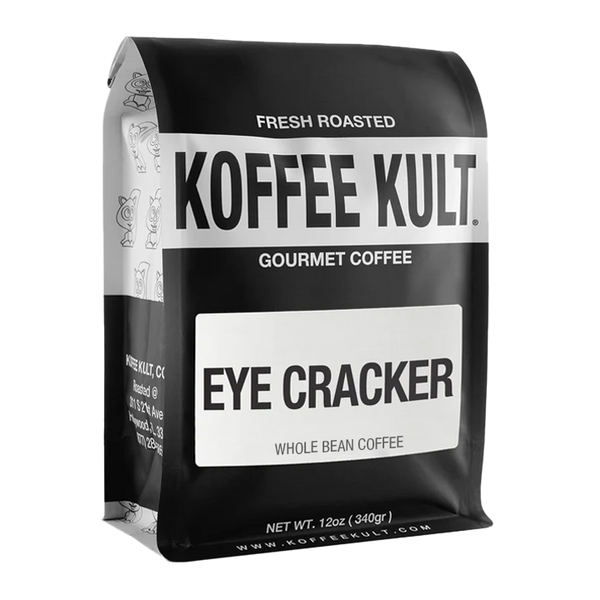
For a bright comparison, Eye Cracker Espresso: Solar Flare brings lemon, tangerine, caramel, and cherry notes to the espresso base. This medium-roast blend of Colombia, Kenya, and Brazil coffees is especially useful here because you can taste which fruit notes remain vivid and which become softer under steamed milk.
If you prefer a rounder, chocolate-led test, try Brazil Cerrado: Velvet & Cocoa. Its caramel, dark chocolate, low acidity, and velvety body make the contrast between airy cappuccino foam and integrated flat-white microfoam easy to notice without adding any flavored syrup.
For a classic espresso profile with more depth, Midnight Velvet offers chocolate depth, caramel, warm spice, cinnamon, and a velvety body with low bitterness. Koffee Kult’s approach to roasting is about developing those natural characteristics—not spraying flavor onto beans—so the comparison stays focused on coffee, milk, and technique.
Frequently Asked Questions
What is the main difference between a cappuccino and a flat white?
A cappuccino is built around a more pronounced layer of airy foam, while a flat white uses a thinner layer of finely textured microfoam. The flat white generally tastes more espresso-forward because the milk is integrated more closely with the coffee rather than sitting in a thick cap.
Which has more milk, a cappuccino or a flat white?
It depends on the cup size and café recipe, so milk volume alone is not a reliable definition. The more useful comparison is texture and proportion: cappuccinos emphasize distinct foam, while flat whites emphasize a smooth, thin microfoam layer.
Does a flat white have more caffeine than a cappuccino?
Not automatically. Caffeine depends mainly on the amount and type of coffee used, so a single-shot flat white and a single-shot cappuccino made with the same beans should be similar. A double-shot version of either drink will generally contain more caffeine than its single-shot counterpart.
Can I make a flat white without an espresso machine?
You can approximate the balance with a moka pot or another concentrated brewing method, then add milk heated and frothed until it looks glossy rather than bubbly. It will not be identical to café espresso, but the same lesson applies: keep the milk layer thin and let the coffee remain clear in the cup.
Which Koffee Kult coffee works best for comparing these two drinks?
Eye Cracker Espresso: Solar Flare is a natural choice because its lemon, tangerine, caramel, and cherry notes give you distinct flavors to track through different amounts of milk. Brazil Cerrado: Velvet & Cocoa is a smoother alternative when you want caramel, dark chocolate, low acidity, and a velvety body to lead the tasting.
Make your next milk drink a tasting, not a guess
Start with freshly roasted beans from koffeekult.com, then try the same coffee as both a cappuccino and a flat white. If you enjoy comparing roast styles and origins, the Roaster Choice Monthly Club keeps a new tasting opportunity coming to your door.
Visiting South Florida? Stop by the Koffee Kult roastery in Hollywood, FL for a café-made comparison. You can also order Koffee Kult café drinks online for local delivery when you would rather leave the steaming pitcher to us.