



Why Lattes and Espresso Keep Growing in 2026

If you want the clearest coffee trend of 2026, start with the drinks people are actually choosing. The latest Spring 2026 National Coffee Data Trends report shows espresso-based beverages still moving up, and the growth is not vague. Lattes reached 21% past-week consumption, espresso hit 20%, and espresso-based drinks overall climbed to 45%.
That matters because it tells you where American coffee habits are heading right now. People are not backing away from coffee. They are moving toward drinks that feel more precise, more premium, and more worth the effort, whether they are ordering out or trying to pull a better shot at home.
The 2026 Numbers That Matter
The strongest national data point in this conversation is not from an old menu snapshot or a stale year-end wrap-up. It is the Spring 2026 National Coffee Data Trends report, released by the National Coffee Association in April 2026 using survey data collected in January. That report shows 58% of American adults had specialty coffee in the past week, up from 53% in 2022.
More importantly for this blog, the report says espresso-based beverages reached 45% past-week consumption, up from 40% in 2022. Within that group, lattes rose from 17% to 21% and espresso climbed from 16% to 20%. That is not just a generic “specialty is growing” headline. It is a specific signal about what people are drinking now.
There is another number that matters here too. 82% of past-day coffee drinkers prepared coffee at home. So even when these trends start in cafés, they do not stay there for long. They move straight into home routines, grinders, espresso machines, milk pitchers, and better beans.
Why Espresso Drinks Keep Growing
Espresso drinks keep growing because they give coffee drinkers more of what they actually notice: texture, aroma, sweetness, contrast, and a stronger sense that somebody paid attention to the cup. A latte feels softer and more composed than a plain drip. A straight espresso feels more intentional than a generic iced coffee that could have come from anywhere.
The 2026 data also lines up with how people are living. Most coffee is still prepared at home, but people have not lowered their standards. If anything, they have gotten pickier. They want café-style drinks in their own kitchens, and that pushes them toward espresso machines, better grinders, and roasts that can hold up under pressure and milk.
“Coffee has long been a touchstone in Americans’ daily lives and a powerhouse in our economy, adapting to fit different tastes, trends, budgets, and routines over time.”
Bill Murray, National Coffee Association, April 2026
That is the real context for a 2026 trends post. It is not about pretending people abandoned regular coffee overnight. It is about recognizing that the part of the market gaining momentum is the part that feels more crafted.
Why Latte Leads and Espresso Is Right Behind It
It makes sense that lattes lead the field. They are approachable, forgiving, and easy to customize without losing the core coffee experience. Milk adds texture and sweetness, which helps bring more people into espresso-based drinks without asking them to jump straight into a sharp, unforgiving shot.
What is more interesting is how close espresso is. At 20% past-week consumption, straight espresso is no longer a niche drink for baristas and diehards. It suggests more drinkers are paying attention to shot quality itself, not just syrup, foam, or convenience. That is good news for any roaster that takes bean development seriously.
The Bean Matters More When the Drink Gets Simpler
Neither of these drinks hides bad coffee for long. A weak espresso tastes thin and harsh. A flat latte tastes muddy because the milk has nothing worth carrying. When consumers shift toward espresso drinks, they are also shifting toward coffees that can deliver body, sweetness, crema, and a clean finish.
That is where roast quality becomes the whole story. If you want more on how roast profile changes flavor in the cup, spend some time with the Koffee Kult coffee blog. The details matter, especially once espresso enters the picture.
2026 Coffee Trend Facts at a Glance
Specialty Coffee
58%
Past-week specialty coffee consumption among U.S. adults in Spring 2026.
Espresso-Based Drinks
45%
Past-week espresso-based beverage consumption, up from 40% in 2022.
Latte
21%
Past-week latte consumption, up from 17% in 2022 and still leading espresso drinks.
Espresso
20%
Past-week straight espresso consumption, up from 16% in 2022 and nearly level with lattes.
Prepared at Home
82%
Past-day coffee drinkers who prepared coffee at home, proving café-style expectations now live at home too.
Sources: National Coffee Association Spring 2026 National Coffee Data Trends, plus CSP Daily News coverage of the April 2026 release.
What This Means for Brewing at Home
If 2026 is tilting toward espresso drinks, the takeaway is not that everyone suddenly needs a commercial machine on the kitchen counter. It is that more people want café-level flavor and texture, and that starts with the bean long before it gets to the portafilter or steam wand.
A good espresso roast needs body, sweetness, and enough development to stay balanced under pressure. For milk drinks, it also needs to stay vivid after six ounces of steamed milk hit the cup. That is why fresh roast dates, thoughtful sourcing, and a roast profile built for extraction matter more than trendy gear.
What to Look For in a 2026 Espresso Setup
- Fresh coffee first: Even a modest machine improves fast when the beans are freshly roasted.
- Body and sweetness: Espresso and lattes reward coffees with depth, clean finish, and enough structure to carry through milk.
- Grind control: A capable grinder does more for espresso than most people expect.
- Consistency: Stable dose, stable yield, and stable timing beat random experimentation every time.
Quick Tip
If your latte tastes flat, do not start by changing syrups or milk. Start with the shot. Tighten the grind slightly, keep your ratio consistent, and use fresher beans. Better espresso makes every milk drink taste more expensive.
Technical Details: Espresso and Latte Specs
The trend may be current, but the fundamentals are still classic. If you want café-style espresso at home in 2026, these are the numbers worth respecting.
Dose
18 to 20 g
A dependable starting point for a double shot.
Yield
36 to 40 g
A 1:2 brew ratio is still the right place to begin.
Brew Temperature
195 to 205°F
Darker roasts usually like the lower end of the range.
Extraction Time
25 to 35 sec
Too fast usually means under-extracted. Too slow usually means over-extracted.
Milk Temperature
140 to 150°F
Glossy microfoam beats dry foam every time for lattes.
Grind Size
Fine
Think finer than table salt, adjusted in tiny steps.
These specs are a strong starting point for most home espresso machines. Moka pots and lever machines will vary.
Start Here With Koffee Kult
The latest 2026 data does not point toward weak coffee or gimmick drinks. It points toward beans that can carry a real shot, hold up in milk, and still taste like something after the first sip. That is exactly where Koffee Kult lives.
We roast in Hollywood, Florida, in small batches with freshness, body, and flavor clarity in mind. If your home setup is moving toward espresso, now is the time to start with coffees built for that job.
A few places to start:
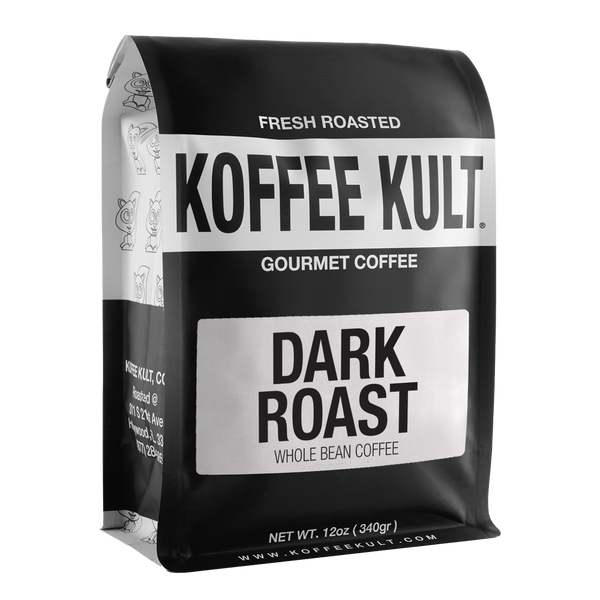
- Dark Roast Coffee Beans for a fuller-bodied cup with the weight and sweetness milk drinks need.
-
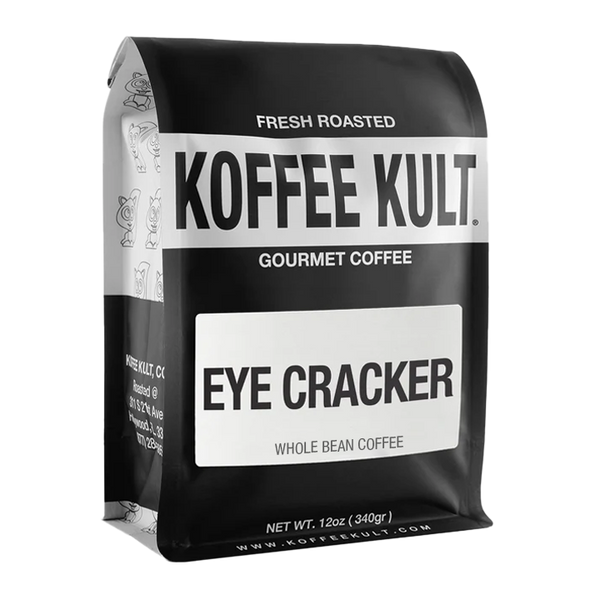
Eye Cracker Espresso Beans if you want a more vivid, crema-rich shot with brightness and structure.
If you are local, stop by the Hollywood roastery for dine-in or takeout. If you are ordering from home, get the right beans shipped fresh and keep building your espresso routine there. Either way, this is a trend worth meeting with better coffee, not cheaper shortcuts.
Shop online, visit the roastery, and subscribe if you want fresh coffee on a steady cadence. In 2026, more drinkers are choosing lattes and espresso because they want more from the cup. We do too.