



Japanese Iced Coffee: The Fastest Way to a Vibrant Cold Cup

Cold brew gets all the headlines, but there's a faster, brighter method quietly taking over home coffee setups this summer. The Japanese iced coffee technique — brewing hot coffee directly over ice — has been blowing up on Reddit's r/Coffee and racking up views on YouTube, and for good reason. It takes about four minutes, requires no special equipment beyond what you already own, and produces a cup that's vivid, aromatic, and nothing like the flat, muted cold brew you've been settling for.
In This Article
What Is Japanese Iced Coffee?
Japanese iced coffee — sometimes called flash brew or flash-chilled coffee — is exactly what it sounds like: you brew hot coffee directly onto a bed of ice, chilling it instantly as it drips. The method is most commonly done with a pour-over dripper like a Hario V60 or Chemex, though it works with any drip-style brewer.
Unlike cold brew, which steeps coarse grounds in cold water for 12–24 hours, Japanese iced coffee uses hot water to extract the coffee's full flavor profile — then locks that flavor in by chilling it immediately. The result is a clean, bright, complex cup that preserves the origin character of the bean in a way that cold brew simply cannot.
It's been a staple in Japanese specialty coffee culture for decades. The rest of the world is just catching up.
Why It Works: The Science Behind Flash Brewing
Hot water is a far more efficient solvent than cold water. It extracts aromatic compounds, acids, and sugars from coffee grounds quickly and completely — which is why hot-brewed coffee smells so alive the moment it hits the cup. Cold brew sacrifices most of that aromatic complexity in exchange for smoothness and low acidity.
Flash brewing captures the best of both worlds. The hot extraction pulls out the full flavor spectrum, and the immediate contact with ice locks those volatile aromatics in place before they can oxidize or dissipate. You get brightness, clarity, and depth — all in the same glass.
"Just tried Japanese iced coffee for the first time and I genuinely don't understand why I've been waiting 18 hours for cold brew. This is better and it took four minutes." — r/Coffee community member, July 2026
That kind of reaction is showing up constantly in r/Coffee threads right now. Home brewers who try the method once rarely go back to waiting overnight.
Choosing the Right Beans for the Method
Bean selection matters more here than in almost any other brew method. Because flash brewing preserves and amplifies origin character, a dull or stale bean will taste exactly like a dull or stale bean — just cold. A high-quality single-origin with distinct flavor notes will reward you with a cup that tastes like it came from a specialty café.
Light to Medium Roasts: The Ideal Starting Point
Lighter roasts shine in this method. Their fruit-forward acidity, floral aromatics, and nuanced sweetness come through beautifully when flash-chilled. If you've been brewing a light roast hot and finding it a little sharp, try it over ice — the chill softens the edge while keeping everything that makes the bean interesting.
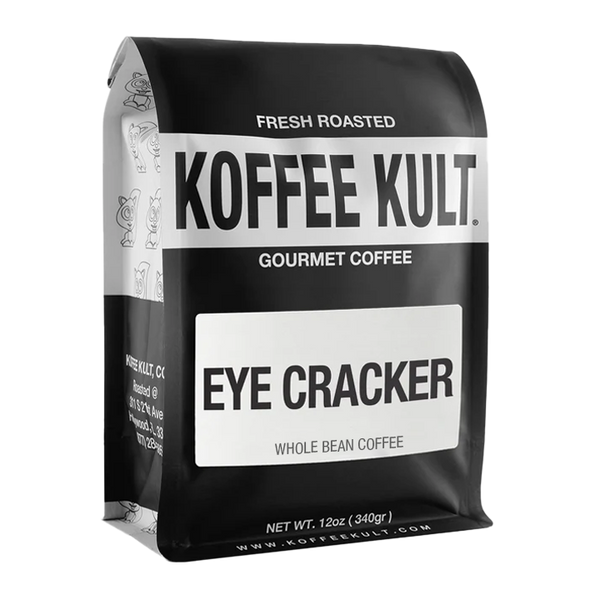
Our Eye Cracker Espresso — bright, bold, and built for intensity — translates remarkably well to flash brew. The high-extraction environment of hot water pulls out its full complexity, and the ice landing locks in those bold aromatics before they fade.
Dark Roasts: Rich, Smooth, and Surprisingly Versatile
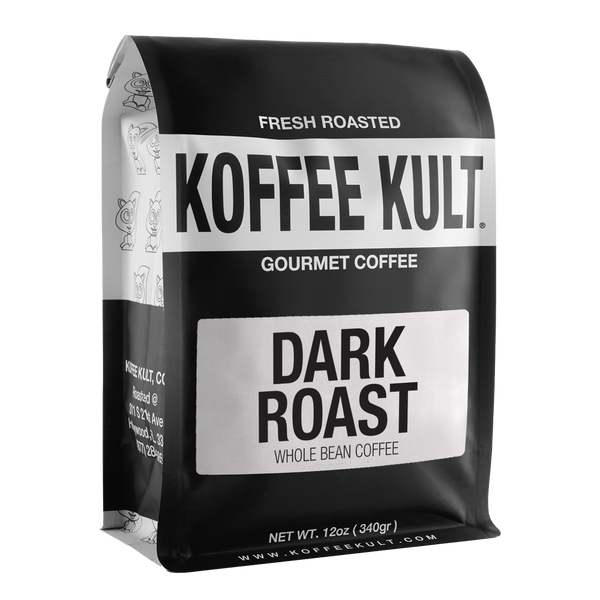
Don't count out a quality dark roast. Flash brewing a dark roast over ice produces a cup that's rich and chocolatey without the bitterness that can creep in when dark coffee sits on heat. Our Dark Roast Coffee Beans are roasted in small batches at our Hollywood, FL roastery specifically to bring out deep, smooth character — and that character holds up beautifully when flash-chilled.
Whatever roast level you choose, freshness is non-negotiable. Stale beans produce flat, papery iced coffee regardless of technique. If you want to explore a rotating selection of freshly roasted single-origins, our Coffee of the Month Club delivers new beans to your door before the last bag runs out.
Step-by-Step: How to Brew Japanese Iced Coffee
You don't need a fancy setup. A pour-over dripper, a kettle, a scale, and a glass or carafe are all it takes. Here's the full process:
- Weigh your ice. Place your serving glass or carafe on a scale. Add ice — typically about 40% of your total brew water weight (see the technical section below for exact ratios).
- Set up your dripper. Place your pour-over dripper on top of the glass or carafe, directly over the ice. Insert a filter and rinse it with hot water to remove papery taste — then discard that rinse water.
- Grind your coffee. Use a medium-fine grind, slightly finer than your standard pour-over grind. This compensates for the reduced hot water volume.
- Bloom the grounds. Add your coffee to the filter. Pour a small amount of hot water (about twice the weight of the coffee) over the grounds and let it bloom for 30–45 seconds. This releases CO₂ and primes the grounds for even extraction.
- Pour in slow, steady circles. Continue pouring the remaining hot water in slow, controlled spirals. Aim for a total brew time of 3–4 minutes.
- Stir and serve. Once the brew is complete, give the glass a gentle stir to incorporate the melted ice. Taste, adjust, and enjoy immediately.
For more brewing guides and technique deep-dives, browse the Koffee Kult coffee blog — we cover everything from grind size to water chemistry.
Brew Ratios, Temperatures & Timing
The key difference between Japanese iced coffee and a standard pour-over is the split water ratio. You're brewing with less hot water than usual, because the melting ice makes up the rest of your final brew volume. Get these numbers right and the cup will be perfectly balanced — not watered down, not over-concentrated.
- Coffee dose: 15–17g per 200ml of finished drink (standard 1:13 to 1:15 ratio applies to total liquid)
- Ice weight: 40% of total brew water (e.g., for a 300ml brew, use 120g ice + 180ml hot water)
- Hot water temperature: 93–96°C (199–205°F) — same as a standard pour-over
- Grind size: Medium-fine — slightly finer than your regular pour-over setting to compensate for reduced water volume
- Bloom time: 30–45 seconds with 2× coffee weight in water
- Total brew time: 3:00–4:00 minutes from first pour to last drip
- Serve immediately — flash brew is best consumed within 20–30 minutes of brewing
Tip: If your finished cup tastes thin or watery, reduce your ice weight slightly and increase your coffee dose. If it tastes harsh or over-extracted, coarsen your grind a touch.
How It Stacks Up Against Other Cold Methods
Not every cold coffee method is built for the same moment. Here's how Japanese iced coffee compares to the alternatives you probably already know.
Method 01
Japanese Iced Coffee
Brews in 4 minutes. Bright, aromatic, and origin-forward. Best for single-origins where you want to taste the bean's full character. No waiting. No dilution.
Method 02
Cold Brew
Steeps 12–24 hours. Smooth, low-acid, and mellow. Great for dark roasts and milk-based drinks. Requires planning ahead. Loses most aromatic complexity.
Method 03
Iced Americano
Espresso pulled hot, then poured over ice and water. Bold and fast, but requires an espresso machine. High intensity, less nuance than flash brew.
Method 04
Hot Coffee Over Ice
Brewed at full strength and poured over ice. Quick, but prone to dilution and bitterness. Japanese iced coffee solves both problems with a proper ratio.
Quick Tip
Use filtered water and quality ice. Tap water with heavy chlorine or mineral content will show up in your cup — especially in a method this transparent. If your tap water tastes off, your iced coffee will too. Filtered water is one of the easiest upgrades you can make.
Start Brewing With Koffee Kult
The Japanese iced coffee method rewards good beans more than almost any other technique. There's nowhere to hide — and nowhere to hide is exactly where you want to be when you're starting with something worth tasting.
At our Hollywood, FL roastery, we roast every batch in small quantities so the coffee that arrives at your door is genuinely fresh. Whether you're reaching for our Eye Cracker Espresso for a bold, bright flash brew or our Dark Roast Coffee Beans for something rich and smooth over ice, the method will show you exactly what the bean is made of.
If you want to keep experimenting with new single-origins all summer, our Coffee of the Month Club is the easiest way to do it. Fresh beans, rotating origins, delivered automatically — so you're never stuck brewing with something that's been sitting in a bag for three months.
Ready to flash brew something worth drinking?
Shop freshly roasted single-origins from Koffee Kult and taste the difference the right bean makes.
Explore the Coffee ClubNet Orders Checkout
| Item | Price | Qty | Total | |
|---|---|---|---|---|
| Subtotal |
$ 0.00 |
|||
| Shipping | ||||
| Total | ||||