


Coffee Roasting Is the New Curiosity: A Beginner’s Tasting Guide

Coffee curiosity is moving upstream. Instead of starting with tasting vocabulary, more people want to see the roast itself: green coffee changing color, aroma building in the drum, and small development choices shaping the cup.
Rising Trends’ October 6, 2026 rebuild lists “coffee roasting” at 14,800 monthly searches, up 517% year over year, while “coffee cupping” fell 89% to 1,300. That makes this week’s opportunity refreshingly practical: show the transformation, then make it easy to taste.
Why Roast Curiosity Is Replacing Cupping Jargon
Roasting gives beginners something visible to follow. A hard, green seed becomes fragrant and brown; the aroma moves from grassy to sweet and toasty; the finished coffee can taste delicate, chocolatey or boldly smoky.
That story is more inviting than asking someone to identify a long list of flavor notes. Google Trends offers a live view of recent U.S. search interest, while the Rising Trends coffee report supplies the October search-volume comparison behind this week’s focus.
For Koffee Kult, the angle is hands-on rather than theatrical: film green coffee moving through a roast, explain what the roaster is watching and smelling, then brew the result. The goal is to connect craft to a better home cup—not to turn roasting into a test of insider vocabulary.
From Green Coffee to an Aromatic, Brewable Bean
Green coffee is the starting material, not a finished beverage ingredient. During roasting, heat drives physical and chemical changes: moisture leaves the bean, color deepens, aromas develop and the structure becomes easier to grind and extract.
Roast level is a useful signpost, but it does not tell the whole story. Origin, processing and the roaster’s approach all influence what reaches your grinder. A naturally processed coffee can retain berry-like character, while a washed coffee may present a cleaner, more defined cup.
What a Beginner Can Notice Without Special Equipment
- Aroma: Compare the dry grounds with the wet coffee bed.
- Color: Use it as a clue, not as a complete measure of flavor.
- Texture: Notice whether the cup feels light, rounded or heavy.
- Finish: Pay attention to whether sweetness or bitterness lingers.
How Roast Development Reaches Your Tongue
Sweetness is often easiest to notice when the cup tastes rounded rather than sharp or aggressively bitter. Caramel, chocolate, ripe fruit and brown-sugar descriptions can all point toward that impression, even though no sugar has been added.
Bitterness is not automatically a roasting defect. It can be part of a dark-roast profile, but it can also increase when brewing extracts too aggressively. If a coffee tastes harsh, check grind size, water temperature and contact time before blaming the roast.
Body describes the cup’s weight and texture. A velvety, coating coffee feels different from a crisp, tea-like one, and brew method matters too: paper filtration, metal filtration and immersion can produce noticeably different textures from the same beans.
“The most useful tasting note is often a comparison: this cup feels sweeter, that one feels heavier, and this one finishes more bitter.”
A Beginner-Friendly Three-Coffee Tasting
You do not need a formal cupping table. Brew three coffees with the same method, pour small servings and taste them side by side. Start with aroma, take a few sips, then return to each coffee as it cools.
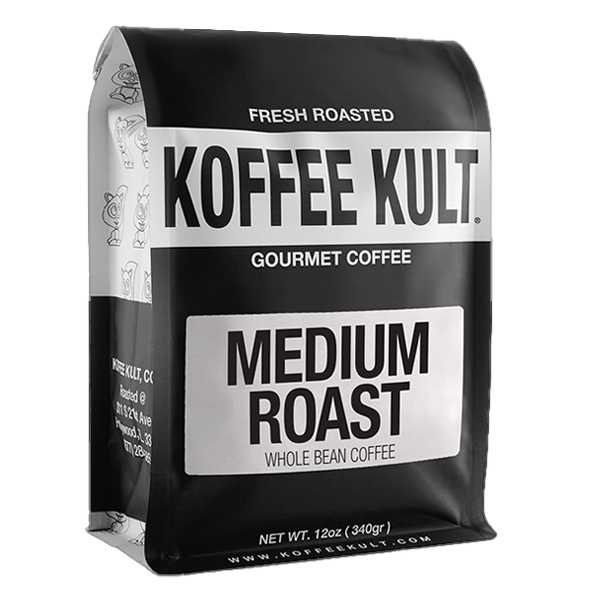
- Begin with balance. Horizon Gold, our medium-roast Colombia and Brazil blend, brings nutty, chocolatey and smooth notes to the tasting. Use it as a reference point for sweetness and balance.
- Move toward fruit. Costa Rica Perla Negra Peaberry is a natural-process single origin with strawberry, blueberry, ripe peach and wine-like complexity. Notice how processing and origin can remain expressive in the roasted coffee.
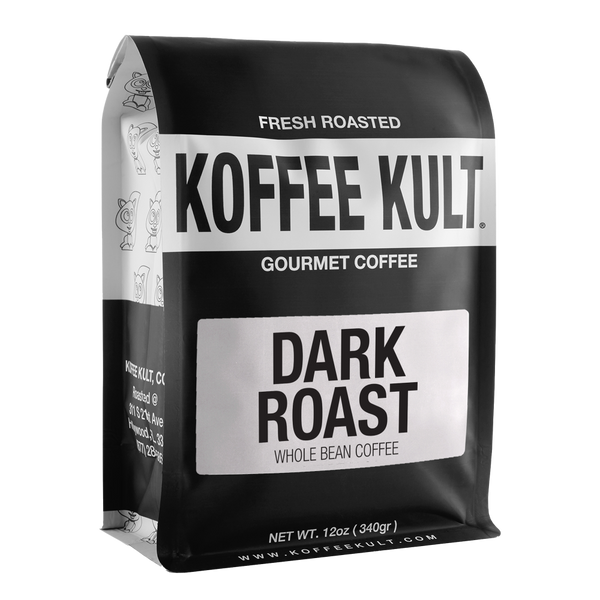
- Finish with depth. Midnight Velvet, our signature dark-roast blend, offers chocolate depth, caramel, warm spice and a velvety body with low bitterness. Compare its weight and finish with the first two cups.
Keep your notes simple: sweet, bitter, light, heavy, fruity or chocolatey. A few accurate observations are more useful than forcing yourself to name flavors you do not actually taste.
Four Roast Facts Worth Tasting
01 · Starting point
Green coffee holds the potential
Origin and processing help shape the raw material before roasting begins. Heat develops that potential; it does not make every coffee taste identical.
02 · Flavor
Sweetness does not mean added sugar
A naturally sweet impression can read as caramel, chocolate or ripe fruit. Taste for roundness and balance rather than expecting a sugary drink.
03 · Extraction
Bitterness can come from brewing
A harsh cup is not automatically over-roasted. Grinding finer, extending contact time or using hotter water can also change extraction.
04 · Texture
Body is more than strength
Body concerns how coffee feels in your mouth. A heavy, velvety texture and a high caffeine level are separate characteristics.
Technical Details: Keep the Tasting Controlled
Use these specifications as a consistent starting point for a pour-over comparison. They are a practical baseline, not a claim that every coffee has one perfect recipe.
- Ratio: 1:16 coffee to water by weight; for three small samples, use 15 g coffee and 240 g water per brew.
- Water: Start at 200°F (93°C), using the same temperature for all three coffees.
- Grind: Choose a medium setting appropriate for your dripper, then keep it unchanged during the first comparison.
- Bloom: Add about 45 g water, gently saturate the grounds and wait 30–45 seconds.
- Total brew time: Aim for roughly 2:30–3:30, adjusting the recipe later if your dripper runs much faster or slower.
- Tasting sequence: Smell first, taste warm, then revisit the cups as they cool.
Change only one brewing variable at a time. Otherwise, you will not know whether the roast, grind or pouring pattern caused the difference.
Taste the Roast With Koffee Kult
Start with Horizon Gold for a smooth, balanced baseline, add Perla Negra for a fruit-forward contrast, and round out the tasting with Midnight Velvet’s chocolatey depth. Order whole beans from koffeekult.com, or visit our Hollywood, FL roastery to experience the coffee closer to its source.
If you want a new roaster-selected coffee to explore each month, the Koffee Kult Coffee Club keeps the next tasting within reach. Prefer a freshly prepared café drink while you are in Hollywood? You can also order Koffee Kult drinks for delivery.