



The Best Coffee Beans for Espresso in 2026

Everything you need to know about choosing, brewing, and enjoying espresso-ready coffee — from roast level and origin to the beans we reach for every day.
In This Guide
Espresso is one of the most rewarding — and unforgiving — ways to brew coffee. When everything comes together, you get a rich, syrupy shot topped with golden crema, layered with sweetness, body, and complexity. When the beans aren't right, even the most expensive espresso machine can't save the shot.
Below we'll break down what actually makes a great espresso bean, whether dark or medium roasts perform better, how single origins compare to blends, and which coffees consistently produce exceptional espresso at home.
What Makes a Great Espresso Bean?
Contrary to popular belief, there is no such thing as an "espresso bean." Espresso is a brewing method — not a coffee species. Nearly any coffee can be brewed as espresso if it's roasted and extracted properly.
That said, certain coffees naturally perform better under the intense pressure of an espresso machine. The best espresso coffees typically offer:
- Excellent sweetness
- Balanced acidity
- Heavy body
- Consistent extraction
- Rich crema
- Fresh roast dates
Freshness matters more than the label. Look for a roast date — not just a "best by" date — and brew within a few weeks for peak flavor and crema.
Most specialty coffees perform best for espresso after resting a few days post-roast, and generally within a few weeks while they're still full of the aromatics and carbon dioxide that help produce balanced extractions.
Medium vs. Dark Roast for Espresso
There's a common myth floating around specialty coffee circles that dark roast is somehow inferior for espresso. That's simply not true. Both roast levels can produce exceptional shots — the difference is in the flavor profile, not the quality.
Dark Roast Espresso
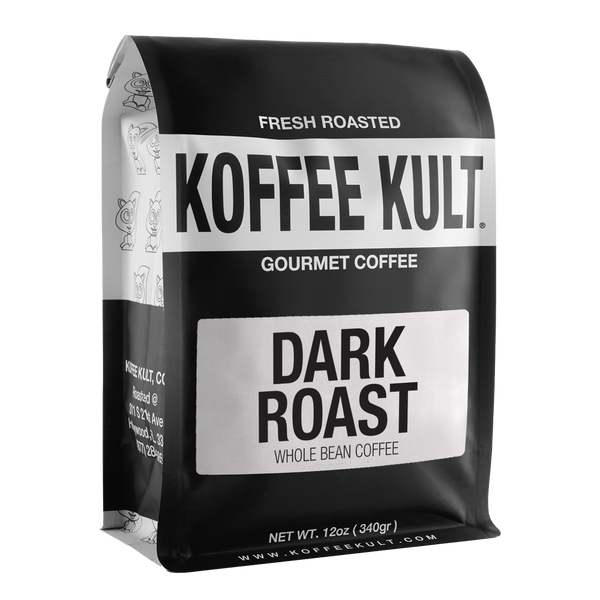
Dark roast is the traditional choice for espresso — and for good reason. It delivers bold chocolate notes, low acidity, a heavy body, and a long-lasting finish. Dark roast pulls beautifully as straight espresso and is especially well-suited for milk-based drinks like lattes, cappuccinos, and flat whites, where its character shines right through. The one thing to stay on top of: darker roasts produce more surface oils, so regular cleaning of your grinder and machine is essential to keep extractions consistent and flavor clean.
Medium Roast Espresso
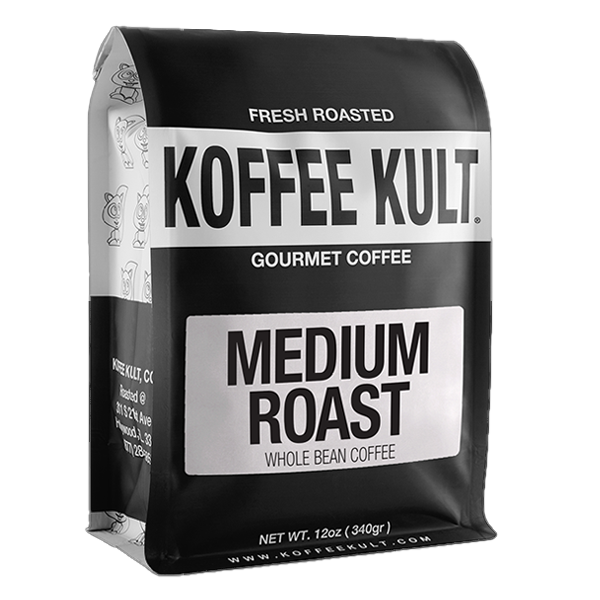
Medium roasts have grown popular in the specialty coffee world for their brighter, more nuanced profiles — think caramel, brown sugar, citrus, stone fruit, and toasted nuts. They're a great option if you enjoy complexity and origin-driven flavor. That said, they're not inherently "better" for espresso. It comes down entirely to what you enjoy in the cup.
Blends vs. Single Origins
Espresso Blends
Blends are designed for consistency. Roasters combine coffees from multiple origins to create a balanced profile that performs reliably day after day. Most espresso blends emphasize chocolate, caramel, nutty sweetness, thick crema, and forgiving extractions. For most home espresso drinkers, a well-crafted blend is an excellent place to start.
Single Origin Espresso
Single origins highlight the unique characteristics of one growing region. Depending on origin, you might taste blueberry, strawberry, peach, citrus, floral notes, tropical fruit, or wine-like sweetness. Single origins can produce stunning espresso, though they often require more precise dialing in than a blend.
Quick Tip
New to espresso? Start with a blend. Once you're comfortable dialing in your grinder and machine, single origins are a rewarding next step.
Best Origins for Espresso
Different coffee-growing regions naturally produce different flavor profiles. Here's how the most popular espresso origins typically compare:
| Origin | Flavor Profile | Best For |
|---|---|---|
| Brazil | Chocolate, roasted nuts, low acidity, heavy body | Straight shots & milk drinks |
| Colombia | Caramel, chocolate, citrus, red apple | All-purpose espresso |
| Guatemala | Cocoa, baking spice, brown sugar, full body | Rich, complex shots |
| Ethiopia | Blueberry, peach, strawberry, floral aromatics | Adventurous specialty espresso |
Should Espresso Beans Be Oily?
Many people assume oily beans indicate freshness. The opposite is often true. Surface oils simply indicate a darker roast level. Extremely oily beans can actually clog grinders, increase retention, and produce less consistent extractions over time — which is why staying on top of grinder and machine cleaning is especially important when brewing dark roast espresso.
Freshly roasted medium and medium-dark coffees often appear relatively dry while still delivering outstanding espresso. When evaluating freshness, always check the roast date on the bag — that's the number that actually matters.
Our Espresso Picks at Koffee Kult
If you're looking for espresso-ready coffees roasted fresh in South Florida, these are the two we reach for most.
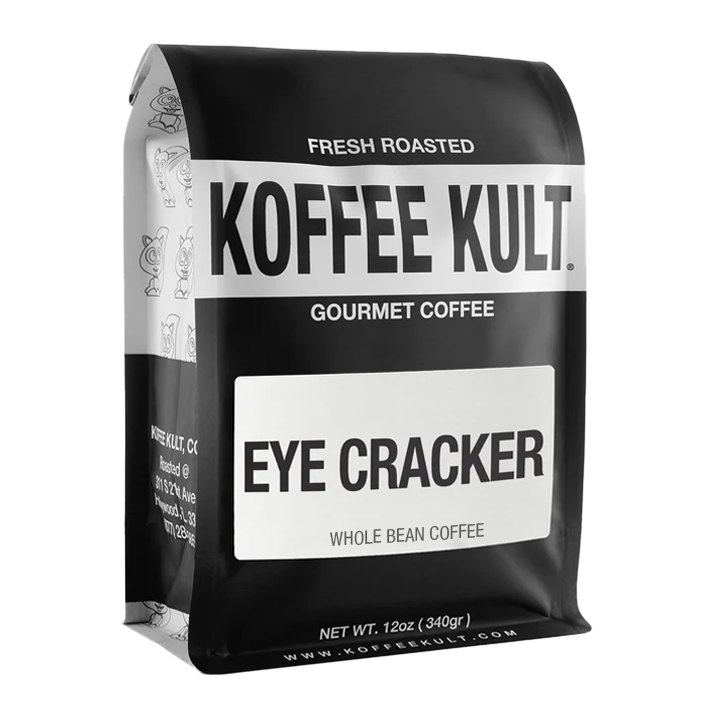
Eye Cracker Espresso
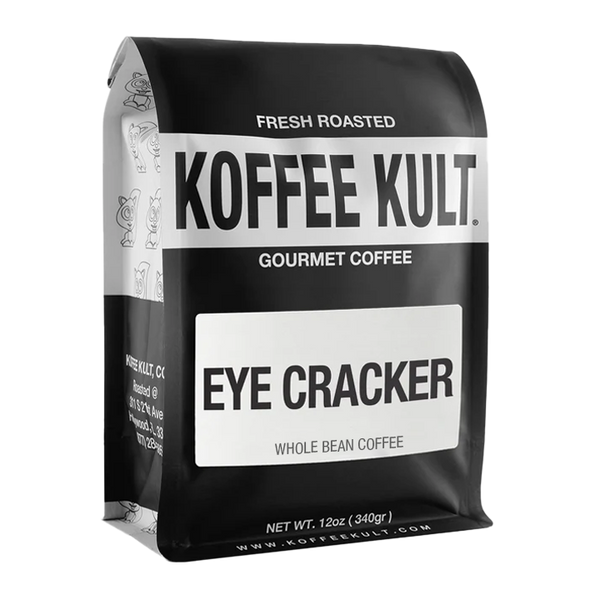
Tangerine · Cherry · Caramel · Mild citrus sweetness. Lively enough to enjoy straight, smooth enough for milk drinks.
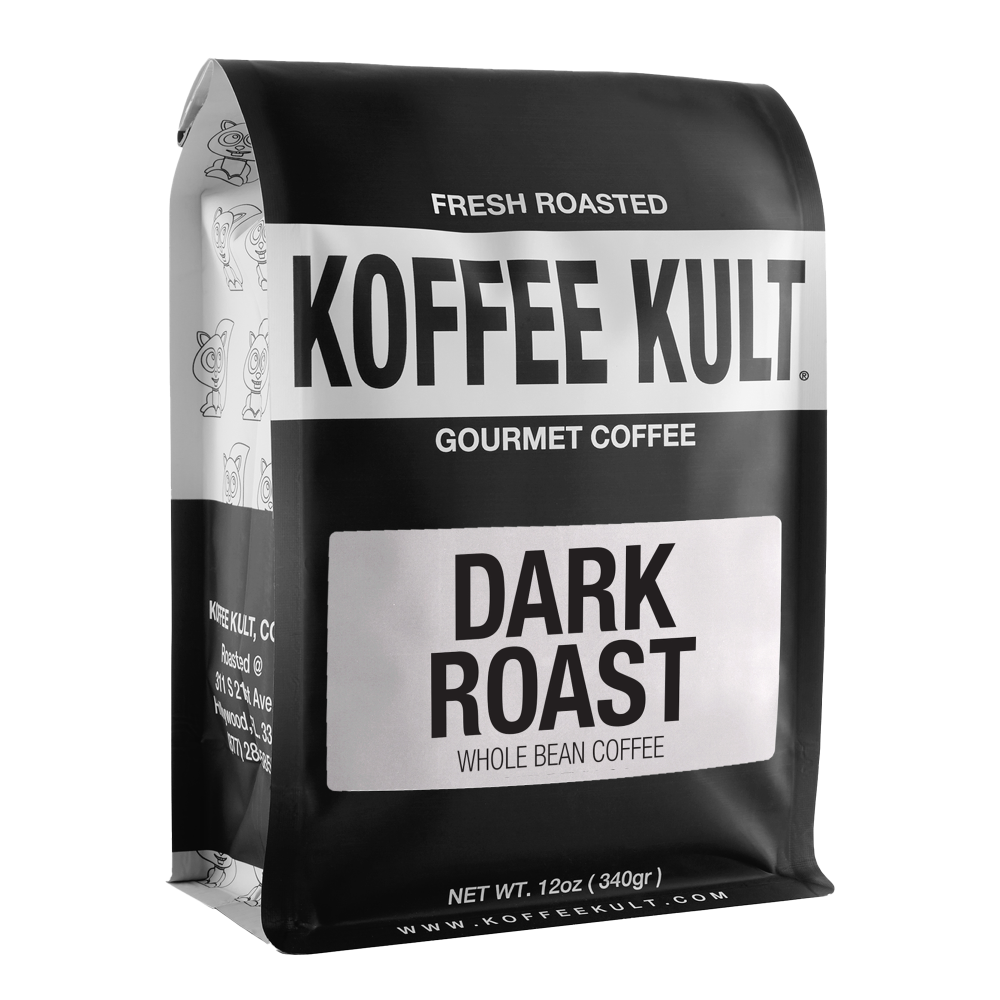
Dark Roast
Chocolate-forward with a heavy body and smooth finish. A go-to for bold, classic espresso and milk-based drinks.
Tips for Better Espresso at Home
Great beans are only half the equation. Here are six habits that consistently improve what ends up in the cup:
Whole Bean Only
Buy whole bean and grind immediately before brewing for peak aroma and flavor.
Filtered Water
Water quality makes a noticeable difference. Use filtered water to avoid mineral interference.
Airtight Storage
Store beans in an airtight container away from heat and light. Room temperature is ideal.
Dial In Fresh Bags
Adjust your grind size whenever you open a new bag — even the same coffee changes batch to batch.
Chase Balance First
Aim for a balanced, sweet extraction before changing anything else. Small grind adjustments go a long way.
Rest After Roast
Let fresh-roasted beans rest a few days before pulling shots. CO₂ off-gassing settles down for a cleaner extraction.
Frequently Asked Questions
Can you use regular coffee beans for espresso?
Yes. Any coffee bean can be brewed as espresso. Coffees labeled "espresso" have simply been roasted or blended with espresso extraction in mind — there's no separate species or bean type.
Are dark roasts better for espresso?
Not necessarily. Dark roasts create the traditional chocolate-forward espresso most people are familiar with, while medium roasts often showcase more sweetness and origin character. Neither is objectively better — it comes down to your preferred flavor profile.
How fresh should espresso beans be?
Freshly roasted whole beans generally produce the best results. Look for coffees with a roast date rather than just a "best by" date, and enjoy them within a few weeks of roasting for peak flavor and crema production.
Should beginners choose blends or single origins?
Most beginners achieve more consistent results with espresso blends. They're designed to be balanced and forgiving across a range of grind settings and machine types. Single origins are a rewarding next step once you're comfortable with your setup.
Why do some espresso beans look oily?
The oily shine on espresso beans is totally normal and actually a sign of a good dark roast. As beans are roasted longer — typical for espresso blends — the intense heat pushes natural oils from inside the bean to the surface. Those oils carry a lot of the coffee's flavor compounds, the stuff that makes espresso rich, bold, and full-bodied. So that glossy look is a feature, not a flaw. It means the beans have been roasted dark enough to develop the deep, complex flavors that make espresso shine. Lighter roasts won't show that surface oil because they spend less time in the roaster. The one thing to keep in mind: those oils can go rancid if beans sit around too long, so store your espresso in an airtight container away from heat and light and use them within 2–3 weeks of opening for the best taste.