



Specialty Coffee Is Now the American Standard

Standard drip coffee hasn't disappeared. But it's no longer the default. For the first time, more than half of American adults — 58% — reached for a specialty coffee drink in the past week. That number was 53% just four years ago, and the gap keeps widening.
This isn't a trend driven by novelty. It's a fundamental shift in how people think about coffee: what it should taste like, where it should come from, and what it's worth paying for. If you've been curious about what separates a truly great cup from a forgettable one, this is a good moment to dig in.
In This Article
What Actually Makes Coffee "Specialty"
The term gets used loosely, but it has a real definition. The Specialty Coffee Association (SCA) grades green coffee on a 100-point scale. A score of 80 or above earns the specialty designation. That score reflects everything from the growing altitude and soil conditions to how carefully the beans were processed and dried after harvest.
In practice, specialty coffee means:
- Beans sourced from a specific farm, region, or cooperative — not a commodity blend
- A clear, traceable supply chain from crop to cup
- Roasting that highlights the bean's natural character rather than masking defects
- Brewing methods that respect the coffee's flavor potential
The difference shows up immediately in the cup. Where commodity coffee tends toward flat bitterness, a well-sourced specialty roast carries distinct aroma notes — dark chocolate, stone fruit, brown sugar, citrus — that shift as the cup cools. That complexity is what people are chasing.
Why the Shift Is Happening Now
The jump from 53% to 58% in four years sounds modest until you consider the scale. That's millions of additional Americans choosing a pour-over, a well-pulled espresso, or a single-origin cold brew over whatever was in the office pot. Google Trends data confirms the pattern: searches for terms like "specialty coffee near me," "single origin coffee," and "home espresso setup" have climbed consistently since 2022.
"Consumers aren't just drinking more coffee — they're drinking better coffee. The growth in specialty consumption reflects a broader cultural shift toward quality, provenance, and the ritual of brewing." — Daily Coffee News, 2026
Several forces are converging at once. The pandemic-era home brewing boom never fully reversed — people who invested in a grinder and a pour-over setup kept using them. At the same time, a generation of younger coffee drinkers grew up with specialty cafés as their baseline. For them, a $2 diner coffee isn't a bargain; it's a disappointment.
There's also a knowledge factor. Brewing guides, YouTube tutorials, and coffee communities have made it genuinely easier to understand why one cup tastes better than another. That education loop accelerates the shift: the more people learn, the more they want from their coffee.
Bringing Specialty Coffee Home
The café experience is great. But the real opportunity — and the real satisfaction — is replicating that quality in your own kitchen. It's more achievable than most people think, and it starts with two decisions: the roast and the method.
Choose a Roast With a Story
Not all dark roasts are created equal, and the difference usually comes down to where the beans were grown and how carefully they were handled before they ever reached a roaster.
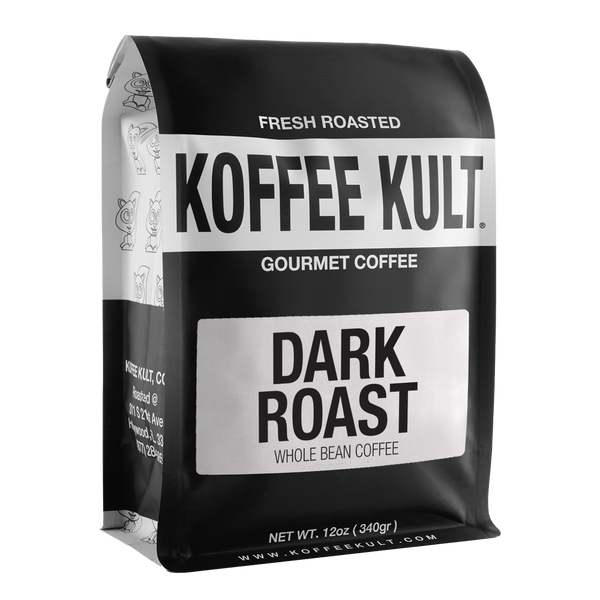
Our Dark Roast draws from four distinct origins: Colombia, Guatemala, Brazil, and Indonesia. Each brings something different to the cup. Colombian beans contribute brightness and structure. Guatemalan high-altitude lots add a caramel sweetness. Brazilian naturals lay down the body. Indonesian beans — grown in volcanic soil at elevation — deepen the profile with an earthy resonance that anchors the blend.
The roast itself is deliberate: brought precisely to the second crack to develop full character, then flash-cooled to lock in the peak flavor window. The result is what we call "clean-bold" — a heavy, syrupy body and velvety texture without the harshness or excessive oil that plagues most dark roasts. You get dark cocoa, caramelized sugar, a whisper of warm earth, and a finish that lingers without turning bitter.
It's designed for versatility — drip, French press, super-automatic — but the experience is the same regardless of method: rich, smooth, and worth slowing down for.
Match the Method to the Bean
Not every brewing method suits every roast. A light, fruit-forward single origin shines in a pour-over or Chemex, where the slower extraction preserves delicate notes. A darker, fuller roast like our Dark Roast handles the pressure of a French press or espresso machine without turning harsh. Matching method to bean is one of the simplest upgrades you can make — and it costs nothing.
For a deeper look at brewing techniques and how to get the most from your setup, our guide to brewing the perfect cup at home covers everything from grind size to water temperature with the same level of detail we put into our roasting.
The Numbers Behind a Better Brew
Specialty coffee isn't just about sourcing — it's about precision. These are the parameters that separate a good cup from a great one.
Brew Ratio
The SCA's Golden Cup standard calls for 1:15 to 1:18 coffee to water by weight (e.g., 20g coffee to 300–360g water). Espresso runs much tighter: typically 1:2 (18g in, 36g out).
Water Temperature
Target 195°F–205°F (90°C–96°C) for most brew methods. Boiling water (212°F) over-extracts and turns bitter. Too cool and you'll under-extract, leaving the cup flat and sour.
Extraction Time by Method
- Pour-over / Chemex: 3–4 minutes total
- French Press: 4 minutes steep
- Espresso: 25–30 seconds
- Cold Brew: 12–24 hours at room temperature or refrigerated
- AeroPress: 1–2 minutes (versatile; adjust to taste)
Grind Size
Grind size controls extraction speed. Coarse for French press and cold brew. Medium for drip and pour-over. Fine for espresso. A burr grinder — not a blade grinder — is the single most impactful equipment upgrade you can make.
Freshness Window
Ground coffee goes stale within 15–30 minutes of grinding. Whole beans stay fresh for 2–4 weeks after roast date when stored in an airtight container away from heat and light. Always check the roast date — not the "best by" date.
5 Things Specialty Coffee Drinkers Know
Whether you're new to specialty coffee or deepening your practice, these are the fundamentals that make the biggest difference.
01 — Origin Matters
Where beans grow shapes how they taste
High-altitude farms in Ethiopia, Colombia, and Guatemala produce beans with more complex sugars and acids. That's why a single-origin Ethiopian can taste like blueberries while a Colombian leans toward caramel and nuts.
02 — Roast Date Is Everything
Fresh roasted coffee is a different product
CO₂ released from freshly roasted beans carries the aroma compounds that make specialty coffee worth drinking. After 4–6 weeks, those compounds dissipate. Buy from roasters who print the roast date — not just a vague "best by" window.
03 — Small Batch Roasting
Volume is the enemy of consistency
Industrial roasters process hundreds of pounds at a time, which makes it nearly impossible to develop each batch with precision. Small-batch roasting — the way we do it in Hollywood, FL — allows for tighter temperature control and more intentional flavor development.
04 — Water Quality
Coffee is 98% water — treat it that way
Heavily chlorinated tap water mutes flavor. Distilled water, paradoxically, also produces a flat cup — it lacks the minerals needed for proper extraction. Filtered water with moderate mineral content (50–150 ppm TDS) is the sweet spot.
05 — Tasting, Not Just Drinking
Slowing down changes what you notice
Specialty coffee is designed to be tasted. Let the cup cool slightly — heat suppresses sweetness and acidity. Take a sip without milk first. Notice what changes as the temperature drops. That progression is part of what you're paying for.
Quick Tip
Start with the roast, not the equipment. A $20 pour-over dripper with freshly roasted, properly ground specialty beans will outperform a $500 machine loaded with stale pre-ground coffee every single time. Get the beans right first — everything else is refinement.
→ Browse our brewing guides on the Koffee Kult blog for method-specific tips on getting the most from your roast.
Find Your Roast
The 58% figure isn't a ceiling — it's a direction. More people are discovering what specialty coffee actually tastes like, and most of them aren't going back. If you're ready to make that shift at home, the starting point is simple: buy better beans, grind fresh, and brew with intention.
We roast every batch in small quantities at our Hollywood, FL roastery, and we ship directly to your door so the beans arrive at peak freshness. A few places to start:
- Coffee Blends — rich, full-bodied roasts crafted from beans sourced across multiple origins. Built for consistency, depth, and an exceptional cup every morning.
- Single Origin Coffees — one farm, one region, one story in every cup. The clearest way to taste what specialty coffee is really about.
- Subscribe & Save 15% — fresh-roasted beans delivered on your schedule, at a discount. Set it and never run out.
- Coffee of the Month Club — if you want to explore what specialty coffee can be, this is the most direct path. A rotating selection of our best roasts, delivered on your schedule.
Specialty coffee is no longer a niche. It's the standard a majority of American adults are already choosing. The question now is just how good your cup can get.