



Nearly Half of Americans Are Drinking Espresso. Are You Doing It Right?

Somewhere between the morning alarm and the first sip, something shifted. Americans didn't just start drinking more coffee — they started drinking better coffee, and increasingly, they started making it themselves. The numbers from the National Coffee Association's Spring 2026 National Coffee Data Trends report are striking: 45% of U.S. adults had an espresso-based drink in the past week. Lattes led the way at 21%. Straight espresso followed close behind at 20%.
That's not a café trend. That's a home kitchen trend. And if you're going to be part of it, the bean in your hopper matters more than almost anything else.
In This Article
What the Data Actually Says
The Spring 2026 NCDT report — the most recent comprehensive snapshot available — found that espresso-based beverages have quietly become the dominant coffee format for nearly half the country. That figure includes everything from a double shot pulled at home to a barista-crafted cortado at a specialty café, but the direction of the trend is clear: people want concentrated, intentional coffee.
Lattes came in at 21% weekly consumption. Straight espresso sat at 20%. Those aren't niche numbers. They represent tens of millions of Americans who have moved past drip coffee as their primary ritual and toward something that demands a little more attention — and rewards it.
"45% of U.S. adults had an espresso-based drink in the past week — with lattes at 21% and straight espresso at 20%." — National Coffee Association, Spring 2026 National Coffee Data Trends
Why Espresso Took Over the Morning Routine
Part of it is equipment. Semi-automatic espresso machines have dropped in price significantly over the past several years, and entry-level options that produce genuinely good results are now accessible to most households. But hardware alone doesn't explain the cultural shift.
The bigger driver is intentionality. Espresso is a format that forces you to pay attention. You're measuring dose, watching extraction time, reading crema color. That level of engagement turns a morning habit into something closer to a craft — and that's exactly what a growing segment of coffee drinkers is looking for. Google Trends data from mid-2026 confirms that search interest in home espresso techniques, grind settings, and milk steaming continues to climb.
There's also the sensory dimension. A well-pulled espresso shot is dense, aromatic, and layered in a way that a standard drip brew simply isn't. The Maillard reaction compounds that develop during a proper roast — the dark chocolate, the caramel, the subtle fruit — concentrate in espresso in a way that makes every sip feel deliberate. For more on how roast level shapes what ends up in your cup, the Koffee Kult blog covers the science and the sensory side in depth.
The Bean Is the Whole Game
Here's the part most home espresso guides skip over: technique can only take you so far if the bean isn't right. Espresso is an unforgiving format. It amplifies everything — the sweetness, the acidity, the roast character, and yes, any defects in the green coffee or the roast itself. A mediocre bean pulled perfectly still produces a mediocre shot.
What to Look for in an Espresso Bean
Not every coffee is built for espresso. The best espresso beans tend to share a few characteristics:
- Medium-to-dark roast development — enough to tame harsh acidity and develop sweetness, without tipping into ashy or flat territory
- Low-defect green coffee — sourced carefully, because defects that hide in a light pour-over scream in a concentrated shot
- Consistent density — beans roasted to a uniform level extract evenly, which is what gives you a balanced shot rather than a sour-bitter mess
- A rest period post-roast — fresh-roasted beans need 5–10 days of degassing before they pull cleanly; too fresh and CO₂ disrupts extraction
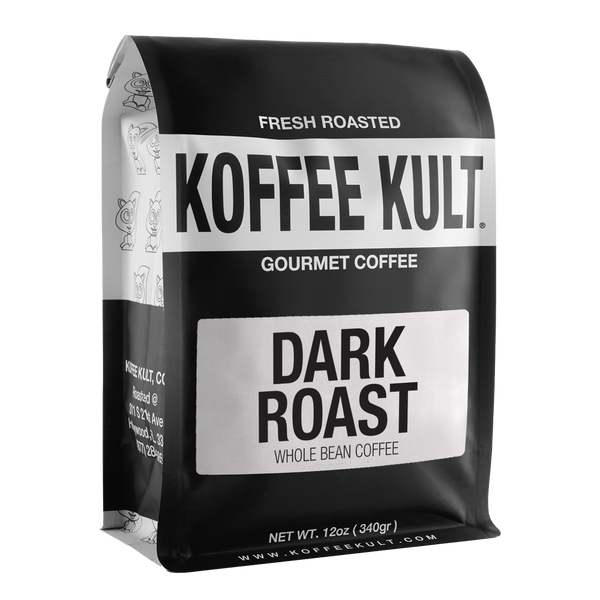
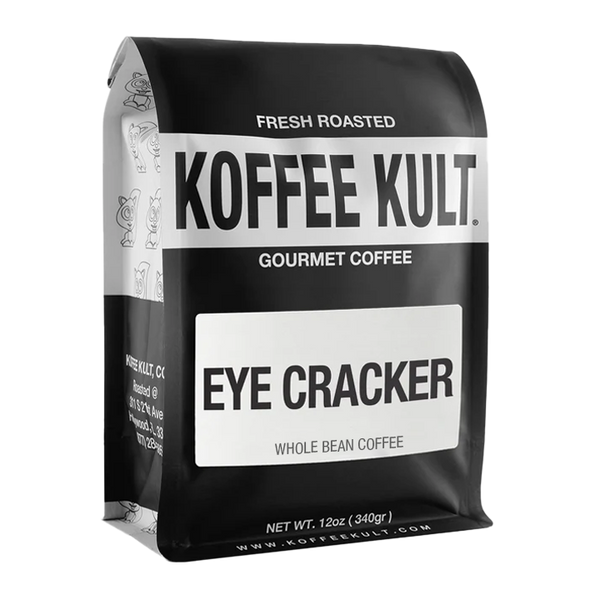
Koffee Kult roasts in small batches out of Hollywood, FL, which means the coffee you receive has been roasted recently and is timed to arrive in your ideal brew window. The Dark Roast whole bean is a workhorse for espresso — full-bodied, low-acid, with a deep cocoa and brown sugar character that holds up beautifully under pressure. If you want something with more brightness and a bolder crema, the Eye Cracker Espresso was built specifically for the portafilter.
Technical Details: Pulling a Proper Shot
These are the parameters that separate a good espresso from a great one. Treat them as a starting framework, then adjust based on your specific bean and machine.
- Dose: 18–20g of ground coffee for a double shot
- Yield: 36–40g of liquid espresso (1:2 ratio is the standard starting point)
- Brew temperature: 195–205°F (90–96°C) — lower end for darker roasts, higher for lighter
- Extraction time: 25–35 seconds from first drop to last
- Grind size: Fine, but not powder — aim for the texture of table salt
- Tamp pressure: ~30 lbs of even, level pressure — consistency matters more than force
- Puck prep: Distribute grounds evenly before tamping to prevent channeling
- Rest period for beans: 5–10 days post-roast for optimal CO₂ degassing
If your shot runs fast and tastes sour, grind finer. If it runs slow and tastes bitter, grind coarser. One variable at a time.
Building a Latte Worth Drinking at Home
A latte is deceptively simple: espresso, steamed milk, a thin layer of microfoam. But the ratio and the milk texture are what separate a café-quality latte from a watered-down disappointment. The NCDT data showing lattes at 21% weekly consumption reflects how deeply this format has embedded itself in the American morning — and how high the bar has gotten for what people expect from it.
The Ratio That Works
A standard 8oz latte uses a double shot (roughly 36–40g of espresso) topped with approximately 5–6oz of steamed whole milk. The milk should be steamed to around 140–150°F — hot enough to be satisfying, cool enough that you can taste the sweetness the heat draws out of the milk rather than just scalded dairy.
The microfoam — that velvety, paint-like texture — comes from introducing a small amount of air at the very start of steaming, then folding it in as the milk heats. It should look glossy, not bubbly. When you pour it over the espresso, the crema and foam should integrate into a unified surface, not sit in separate layers.
Why the Espresso Has to Be Strong Enough
This is where a lot of home lattes fall apart. If your espresso is under-extracted or your dose is too low, the milk overwhelms it completely. You end up with warm, slightly coffee-flavored milk. A properly dosed, properly extracted double shot — especially from a bean with the body and roast development to stand up to dairy — should still be clearly present through every sip of the finished latte.
Five Things Every Home Espresso Drinker Should Know
Trend Data
45% Weekly Reach
Nearly half of U.S. adults consumed an espresso-based drink in the past week, per the Spring 2026 NCDT report. That's a record share and a clear signal that espresso is no longer a specialty-café-only habit.
Roast Science
Darker Roasts Extract Differently
Darker roasts are more porous and extract faster than light roasts. That means you'll often need a slightly coarser grind or a shorter extraction time to avoid over-extraction bitterness — even if the recipe says otherwise.
Freshness
Grind Right Before You Brew
Ground coffee loses volatile aromatics within minutes of grinding. For espresso — where aroma is a huge part of the experience — grinding immediately before pulling your shot is one of the highest-impact habits you can build.
Water Quality
Your Water Is Half the Shot
Espresso is roughly 90% water. Heavily chlorinated tap water or water that's too soft or too hard will affect extraction and taste. Filtered water in the 50–150 ppm total dissolved solids range is the sweet spot for most home machines.
Crema
Crema Is a Freshness Signal
That golden-brown foam on top of your shot is CO₂ being released from freshly roasted coffee under pressure. Thin or absent crema usually means stale beans, not a technique problem. Fresh beans from a small-batch roaster make a visible difference.
Quick Tip: Dialing In Your Grind
Change one grind step at a time, and pull two shots before judging. Espresso grinders have a lot of steps between "too coarse" and "too fine," and the difference between them can be subtle. If you adjust and immediately pull one shot, you're also tasting the residual grounds from the previous setting. Pull two shots after any adjustment before deciding whether to move again.
Related reading: Explore more brewing guides and coffee deep-dives on the Koffee Kult blog →
Start Here
If nearly half the country is pulling espresso shots every week, the question isn't whether to get into it — it's whether you're doing it with a bean that's actually worth the effort. Koffee Kult roasts in small batches in Hollywood, FL, which means you're getting coffee that was roasted recently, rested properly, and shipped at the right moment in its flavor development.
- For a full-bodied, low-acid espresso with deep cocoa and brown sugar notes: Dark Roast Whole Bean Coffee
- For a brighter, bolder shot with a thick crema and more complexity: Eye Cracker Espresso Beans
- To keep fresh beans arriving on a schedule that matches your brew habit: Coffee of the Month Club
You can also visit us at our Hollywood, FL roastery if you want to taste before you commit. We're happy to talk beans, brew ratios, or whatever's going wrong with your shot. That's what we're here for.