



How to Make Cold Brew at Home This Summer

Something is happening in home kitchens across the country right now. Searches for "cold brew coffee recipe" and "how to make cold brew at home" spiked sharply this week, according to Google Trends data — and Reddit's coffee communities are buzzing with first-timers asking which beans to use and how long to steep. The answer to both questions matters more than most guides let on.
Cold brew is not complicated. But it rewards good ingredients and a little patience in ways that no other brew method quite matches. Here's everything you need to do it right — from grind size to steep time — using beans that were built for exactly this.
In This Article
Why Cold Brew Is Having Its Biggest Home Moment Yet
The data from this week is hard to ignore. Google Trends shows a significant surge in cold brew-related searches, and Reddit threads in communities like r/Coffee and r/coldbrewcoffee are filling up with people sharing their first batches, asking for troubleshooting help, and debating the merits of coarse versus medium-coarse grinds. This is not a niche conversation anymore.
Part of what's driving this is simple: it's August, and people want something cold and strong without driving to a café every morning. But there's something deeper happening too. Home brewers who spent the last few years dialing in their pour-overs and espresso setups are now turning their attention to cold brew — and they're bringing the same obsessive attention to detail with them.
"I've been making cold brew every Sunday for the past month. It's the only thing getting me through the heat. The key was finally using a bean that could actually hold up to the long steep." — Reddit user, r/Coffee, August 2026
That last point — the bean holding up to a long steep — is exactly where most home cold brew goes wrong. We'll get to that in the next section.
Why the Bean Is the Whole Game
Cold brew is a slow, cold extraction. There's no heat to accelerate the process, which means the coffee's natural oils, sugars, and soluble compounds have to do all the work over 12 to 24 hours. A bean that tastes bright and acidic as a hot pour-over can turn thin and sour in cold brew. A bean with deep, chocolatey body and low acidity? That's where cold brew becomes something special.
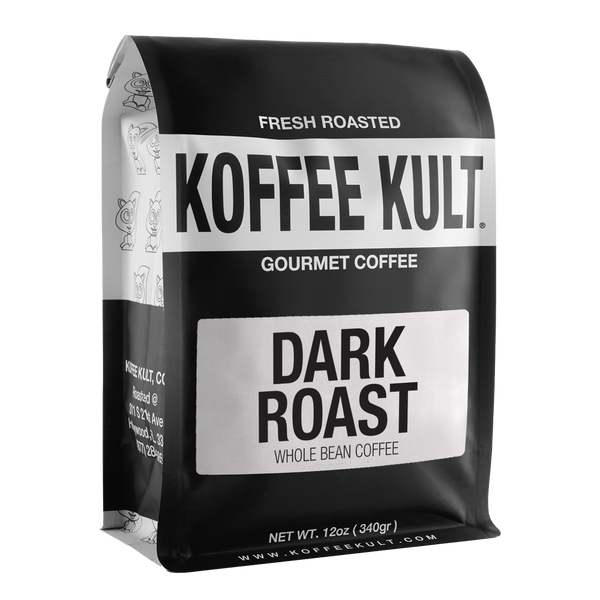
This is why dark roasts and full-bodied blends are the traditional choice for cold brew — and why Koffee Kult's Dark Roast whole bean coffee has become a go-to for serious home cold brewers. Roasted in small batches at our Hollywood, FL roastery, it brings notes of dark chocolate, caramel, and a smooth, lingering finish that cold extraction amplifies rather than flattens.
What to look for in a cold brew bean
- Low to medium acidity — high-acid beans can turn sharp and unpleasant over a long steep
- Full body — cold water needs something to work with; thin beans produce thin results
- Chocolatey or nutty flavor notes — these translate beautifully into cold brew's natural sweetness
- Fresh roast date — stale beans produce flat, lifeless cold brew no matter how long you steep
If you want to explore more about how roast level affects flavor, our coffee education blog goes deep on the science behind what happens inside the roaster and how it shapes what ends up in your cup.
Step-by-Step: How to Make Cold Brew at Home
You don't need special equipment. A large mason jar or pitcher, a fine-mesh strainer or cheesecloth, and a good grinder are all it takes. Here's the process we recommend.
What you'll need
- 1 cup (about 100g) of coarsely ground Koffee Kult Dark Roast
- 4 cups (about 950ml) of cold, filtered water
- A large mason jar or pitcher (at least 1.5 liters)
- Fine-mesh strainer, cheesecloth, or a dedicated cold brew filter bag
- A second container for storing the finished brew
The process
- Grind coarse. Think coarse sea salt — not fine espresso grind. A coarser grind slows extraction and prevents bitterness.
- Combine coffee and water. Add the ground coffee to your jar, pour the cold water over it, and stir gently to make sure all the grounds are saturated.
- Cover and refrigerate. Seal or cover the jar and place it in the fridge. Cold-steep for 16 to 24 hours. Room-temperature steeping works in 12 hours but requires more attention to avoid over-extraction.
- Strain slowly. Pour the mixture through your strainer or cheesecloth into a clean container. Don't press or squeeze the grounds — let gravity do the work to keep the brew clean and smooth.
- Taste and dilute. What you have is a concentrate. Dilute with water or milk at roughly a 1:1 ratio, or adjust to your preference. Serve over ice.
- Store and enjoy. Cold brew keeps in the fridge for up to two weeks. The flavor often improves after the first 24 hours of storage.
The Numbers: Ratios, Timing & Temperature
Cold brew is forgiving, but these parameters give you the most consistent results. Treat them as a starting point, then adjust to your taste.
- Coffee-to-water ratio (concentrate): 1:4 by weight (e.g., 100g coffee to 400ml water)
- Coffee-to-water ratio (ready-to-drink): 1:8 by weight (e.g., 100g coffee to 800ml water)
- Grind size: Coarse — similar to coarse sea salt or French press grind
- Water temperature: Cold or room temperature (35–70°F / 2–21°C)
- Steep time (refrigerator): 16–24 hours
- Steep time (room temperature): 10–14 hours — watch closely after 12 hours
- Storage life: Up to 14 days refrigerated in a sealed container
- Serving temperature: Over ice; do not heat cold brew — it changes the chemistry
Note: Longer steep times and finer grinds increase extraction and can introduce bitterness. If your cold brew tastes harsh, go coarser or reduce steep time before adjusting your ratio.
5 Things That Separate Good Cold Brew from Great Cold Brew
Most home cold brew is fine. These are the details that push it from fine to genuinely excellent.
01
Fresh Beans, Always
Cold brew has nowhere to hide stale coffee. Beans roasted within the last four weeks produce noticeably more complex, sweeter results. Check the roast date before you buy.
02
Filtered Water Matters
Cold brew is mostly water. Tap water with heavy chlorine or mineral content will show up in the final cup. Filtered water is the single cheapest upgrade you can make.
03
Grind Right Before Brewing
Pre-ground coffee loses volatile aromatics within hours of grinding. Grinding whole beans immediately before steeping preserves the oils that give cold brew its signature richness.
04
Don't Rush the Strain
Pressing or squeezing the grounds forces bitter, astringent compounds into your brew. A slow gravity strain through cheesecloth or a fine filter produces a cleaner, smoother result every time.
05 — The Big One
Choose a Bean Built for Cold
A bright, high-acid single origin that shines as a pour-over can taste thin and sour after 20 hours in cold water. Dark, full-bodied roasts with chocolatey or caramel notes — like Koffee Kult's Dark Roast — are engineered by the roasting process itself to hold up and shine in cold extraction.
Quick Tip
Always Brew as a Concentrate
Brewing at a 1:4 ratio (concentrate) and diluting at serving time gives you far more flexibility than brewing ready-to-drink from the start. You can adjust strength on the fly, use it as a base for coffee cocktails, or pour it over ice without worrying about dilution. It also takes up less fridge space. If you want to go deeper on cold coffee methods and variations, our coffee blog covers everything from nitro cold brew to flash-chilled options.
Want More Complexity? Try a Different Bean
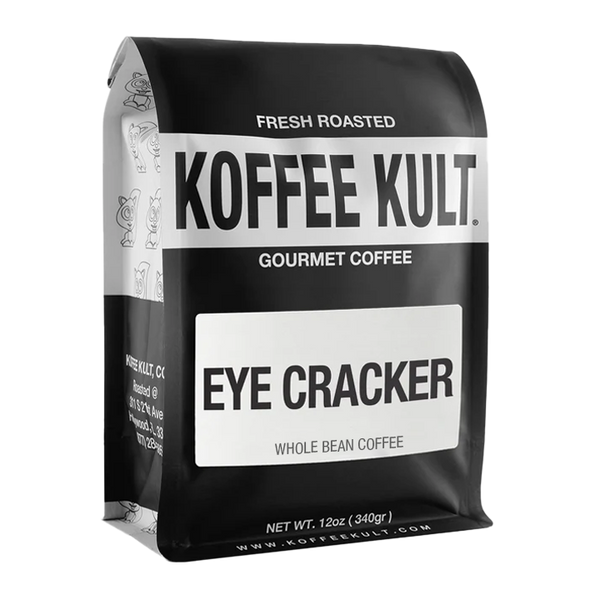
Once you've nailed the basic cold brew process, it's worth experimenting with different roast profiles. Our Eye Cracker Espresso — a bold, bright blend designed for high-pressure extraction — produces a surprisingly complex cold brew with more fruit-forward top notes layered over a deep, roasty base. It's not the traditional choice, but it's a fascinating experiment for anyone who's already comfortable with the fundamentals.
The sensory difference between a dark roast cold brew and an espresso-blend cold brew is striking: the dark roast gives you that classic smooth, chocolatey, almost syrupy body, while the espresso blend adds a brightness and complexity that makes it feel more like a specialty café drink. Both are worth making at least once.
Ready to Brew Something Worth the Wait?
Cold brew rewards patience and good ingredients in equal measure. If you're going to spend 20 hours steeping, start with beans that deserve the time. Everything we roast at our Hollywood, FL roastery is small-batch, freshly roasted, and built for people who take their coffee seriously.
- Dark Roast Whole Bean Coffee — the classic cold brew choice: deep chocolate, smooth body, low acidity
- Eye Cracker Espresso Beans — for brewers who want more complexity and brightness in their cold cup
- Coffee of the Month Club — fresh roasts delivered to your door every month, so you never run out mid-summer
Subscribe to the monthly club and you'll always have fresh beans on hand — which, as any cold brew regular will tell you, is the most important variable of all.