



Coffee, Gut Health, and Mood: What the 2026 Research Actually Says

You already knew your morning cup changed your day. Now there's peer-reviewed evidence that it may be changing your gut — and your mind — in ways that go well beyond the caffeine hit. A landmark 2026 study published in Nature Communications found that habitual coffee drinkers carry a measurably different gut microbiome than non-drinkers, and that those differences track closely with lower stress, better attention, and improved memory. The ritual you've built around coffee turns out to be doing more work than you thought.
In This Article
What the 2026 Research Actually Found
Researchers at APC Microbiome Ireland at University College Cork recruited 62 participants — 31 habitual coffee drinkers and 31 non-drinkers — and put them through a structured protocol: a period of coffee abstinence, followed by a blinded reintroduction of either caffeinated or decaffeinated coffee. The results were published in Nature Communications in early 2026.
What they found wasn't just about caffeine. Coffee drinkers showed distinct gut microbiome profiles, measurable shifts in mood and cognitive performance, and lower self-reported stress and depression scores — even before the reintroduction phase began. The study suggests that the cumulative, habitual act of drinking coffee shapes the gut environment over time, not just the acute caffeine response.
This is a meaningful distinction. It reframes coffee from a stimulant you reach for in the morning to a daily dietary input with longer-arc biological effects — the kind of finding that changes how researchers and consumers alike think about the cup.
The Gut Microbiome Connection
The study identified higher levels of specific bacterial species in habitual coffee drinkers, including Eggertella species and Cryptobacterium curtum. These bacteria are associated with the metabolism of polyphenols — the plant-based compounds found in abundance in coffee — which suggests a feedback loop: coffee feeds certain microbes, and those microbes may in turn influence how the body processes coffee's compounds.
The gut-brain axis is well-established in microbiome research. Changes in gut bacterial populations can influence neurotransmitter production, inflammation markers, and stress hormone regulation. The Cork study adds coffee to the growing list of dietary inputs that appear to shape that axis in meaningful ways.
"Coffee drinkers showed lower perceived stress, depression, and impulsivity — and those differences persisted even during the abstinence phase, pointing to something more durable than a caffeine effect." — APC Microbiome Ireland, University College Cork, Nature Communications, 2026
This isn't a claim that coffee cures anything. But it is a signal that the compounds in coffee — polyphenols, chlorogenic acids, and others — interact with the gut in ways that matter for mood and cognition, independent of caffeine alone.
Caffeine vs. Decaf: Different Benefits, Same Plant
One of the more nuanced findings from the Cork study is that caffeinated and decaffeinated coffee produced different cognitive effects — and both were positive.
Caffeinated Coffee
- Reduced anxiety in participants during the reintroduction phase
- Improved attention and sustained focus
- Associated with lower impulsivity scores
Decaffeinated Coffee
- Improvements in learning and episodic memory
- Suggests non-caffeine compounds — particularly polyphenols — drive meaningful cognitive effects
- Points to the value of the whole coffee plant, not just its most famous molecule
The takeaway for everyday drinkers: the afternoon cup you've been second-guessing may be doing more than you realized, even without the caffeine. And the morning cup you rely on for focus has a more complex mechanism behind it than a simple stimulant response.
For more on how brewing method and roast level affect what ends up in your cup, explore the Koffee Kult coffee resource library — we've covered everything from extraction science to roast chemistry in depth.
Five Things the Study Confirmed
Finding 01
Distinct Microbiome Profiles
Habitual coffee drinkers showed measurably different gut bacterial populations than non-drinkers, including elevated Eggertella species and Cryptobacterium curtum.
Finding 02
Lower Stress and Depression
Coffee drinkers self-reported lower perceived stress, depression, and impulsivity — differences that persisted even during the abstinence phase of the study.
Finding 03
Caffeine Sharpens Attention
Reintroduction of caffeinated coffee was associated with reduced anxiety and improved attention — consistent with caffeine's known adenosine-blocking mechanism, but now contextualized within a gut-health framework.
Finding 04
Decaf Supports Memory
Decaffeinated coffee was linked to improvements in learning and episodic memory, pointing to polyphenols and other non-caffeine compounds as active contributors to cognitive benefit.
Finding 05
62 Participants, Blinded Protocol
The study's blinded reintroduction design — where participants didn't know whether they were receiving caffeinated or decaffeinated coffee — strengthens the credibility of the findings and reduces placebo confounding. Published in Nature Communications, one of the most rigorous peer-reviewed journals in science.
How to Brew for Maximum Benefit
The research doesn't prescribe a specific brewing method, but the underlying science gives us useful direction. Polyphenol extraction — the mechanism behind many of the non-caffeine benefits — is influenced by grind size, water temperature, contact time, and the quality of the bean itself.
Here's what the evidence and craft-roasting practice suggest:
- Use freshly ground beans. Pre-ground coffee loses volatile compounds quickly. Grinding just before brewing preserves the aromatic oils and polyphenols that matter most.
- Don't scorch your water. Boiling water (212°F) can degrade delicate compounds. Brewing at 195–205°F extracts cleanly without bitterness or compound breakdown.
- Choose immersion or pour-over methods. French press and pour-over both allow full contact between water and grounds, maximizing extraction of polyphenols and flavor compounds.
- Be consistent. The study's benefits were associated with habitual consumption — not occasional cups. A daily ritual, brewed well, is the point.
- Start with high-quality beans. Polyphenol content varies significantly by origin, processing method, and roast level. Specialty-grade beans, roasted with care, give you more to work with.
Technical Details
Brew Specs That Support the Science
Water Temperature
195°F – 205°F (90°C – 96°C) — The sweet spot for extracting polyphenols and chlorogenic acids without degrading them. Let boiling water rest 30–45 seconds before pouring.
Brew Ratio
1:15 to 1:17 (coffee to water by weight) — A standard specialty ratio. For a 12 oz cup, use approximately 21–24 grams of ground coffee. Adjust to taste, but don't go so weak that you're leaving compounds in the grounds.
Contact Time by Method
- Pour-over: 3–4 minutes total
- French press: 4 minutes steep, then press
- Espresso: 25–30 seconds extraction at 9 bars
- Cold brew: 12–18 hours at room temperature or refrigerated
Grind Size
Match grind to method. Coarse for French press and cold brew; medium for pour-over and drip; fine for espresso. Consistent particle size means even extraction — and more of the compounds the Cork study was measuring end up in your cup, not stuck in the grounds.
Why Bean Quality Is Part of the Equation
The Cork study didn't specify a roast level or origin — but the underlying chemistry does. Polyphenol content, chlorogenic acid concentration, and aromatic compound density all vary significantly by how a bean is grown, processed, and roasted. Commodity coffee and specialty coffee are not the same input.
At Koffee Kult's Hollywood, FL roastery, every batch is roasted to order in small quantities. That matters here: freshness directly affects the polyphenol and volatile compound profile of your cup. Beans that have been sitting in a warehouse for months — regardless of what the bag says — are a different product than beans roasted last week.
What to Look for in a Bean
- Single-origin or traceable blends — you want to know where the bean came from and how it was processed
- A roast date on the bag — not a "best by" date, an actual roast date
- Whole bean format — grind fresh, every time
- Roast level matched to your method — darker roasts work beautifully for espresso and French press; lighter roasts shine in pour-over and drip
Quick Tip
If you want to explore the polyphenol side of coffee without the caffeine, try brewing a high-quality decaf using the same care you'd give a caffeinated cup — same ratio, same temperature, same grind. The Cork study found real cognitive benefits in the decaf group. The ritual and the bean quality still matter.
Start Here
Make the Daily Ritual Count
The 2026 Cork research is a reminder that coffee is more than a morning habit — it's a daily input with real biological reach. If you're going to drink it every day anyway, it's worth drinking something worth drinking.
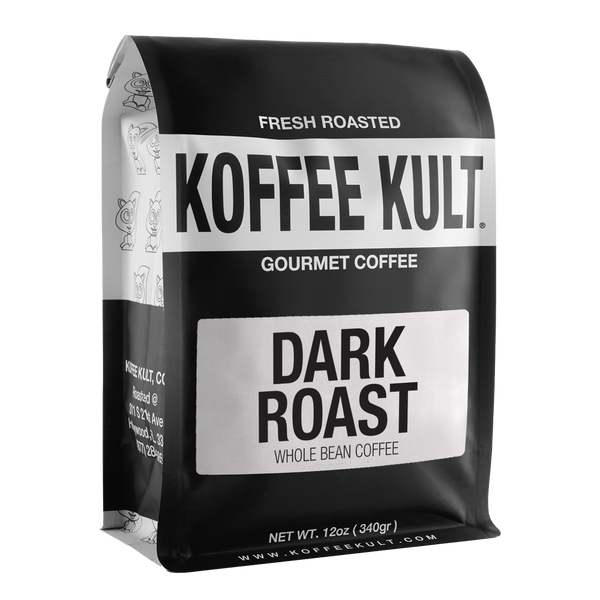
Our Dark Roast Coffee Beans are roasted in small batches at our Hollywood, FL roastery — bold, full-bodied, and built for the kind of daily ritual the research is describing. If you're pulling espresso or want something with serious intensity, the Eye Cracker Espresso Beans deliver brightness and depth in equal measure. And if you want fresh-roasted coffee showing up at your door on a schedule that matches your habit, the Coffee of the Month Club is the easiest way to keep the ritual going without thinking about it.
Roasted to order. Shipped fresh. No warehouse sitting. That's the difference — and based on what the science is now telling us, it's a difference worth caring about.