



Coffee and Heart Health: How Many Cups Are Safe to Drink Each Day?

The American Heart Association says moderate coffee drinking can fit into a heart-healthy lifestyle. Here's what the research actually shows, and how to enjoy your daily cup with confidence.
For years, coffee has been at the center of one of nutrition's biggest debates. One week it's praised for its antioxidants, the next it's blamed for raising blood pressure or causing heart problems. So what's the truth?
According to the latest guidance highlighted by the American Heart Association, moderate coffee consumption can fit into a heart-healthy lifestyle for most adults. A growing body of research suggests regular coffee drinking may even be associated with a lower risk of several cardiovascular conditions.
Of course, like most things in nutrition, moderation matters. Let's take a closer look at what the science actually says.
How Much Coffee Is Considered Safe?
For most healthy adults, consuming up to 400 milligrams of caffeine per day is generally considered safe. That translates to roughly 3 to 5 eight-ounce cups of brewed coffee, or about 2 to 3 large coffees from many coffee shops, depending on size and strength.
Keep in mind that caffeine content varies considerably depending on brewing method, roast style, bean variety, grind size & serving size. A strong pour-over or espresso-based drink may contain significantly more caffeine than a standard home-brewed cup.
Can Coffee Be Good for Your Heart?
Surprisingly, many large observational studies suggest that moderate coffee consumption is associated with a lower risk of several chronic diseases, including coronary heart disease, stroke, heart failure & type 2 diabetes.
Researchers believe coffee's benefits extend beyond caffeine alone. Coffee naturally contains hundreds of plant compounds, including antioxidants called polyphenols, which may help reduce inflammation and oxidative stress, two factors linked to cardiovascular disease.
While these studies show associations rather than direct cause and effect, the overall evidence has become increasingly reassuring for healthy coffee drinkers.
Black Coffee vs. Dessert Coffee
Not all coffee drinks are created equal. A freshly brewed cup of black coffee contains very few calories and virtually no sugar. However, adding large amounts of flavored syrups, sugar, whipped cream & sweetened creamers can quickly transform coffee into a high-calorie dessert beverage.
Those extra calories and added sugars may offset many of coffee's potential health benefits, especially when consumed regularly. If you're looking to enjoy coffee as part of a healthy lifestyle, simpler is often better.
- Freshly brewed black coffee, low in calories and sugar
- Coffee brewed with quality, freshly roasted beans
- Drinking mindfully, alongside a balanced diet
- Flavored syrups, sugar & whipped cream add up fast
- Sweetened creamers can offset coffee's health benefits
- Dessert-style drinks are a different category than black coffee
Everyone Responds to Caffeine Differently
One of the biggest misconceptions about caffeine is that everyone processes it the same way. In reality, your response depends on genetics, age, body size, medications, existing medical conditions, pregnancy & overall caffeine tolerance.
Some people can enjoy multiple cups throughout the day without issue, while others may experience jitters, anxiety, difficulty sleeping, rapid heartbeat or digestive discomfort. If coffee consistently makes you feel unwell, reducing your caffeine intake or switching to decaf may be a better option.
Genetics & Age
How quickly your body metabolizes caffeine varies person to person.
Medications
Some medications interact with caffeine, changing how you feel it.
Pregnancy
Caffeine guidance is different during pregnancy, always check with your doctor.
Tolerance
Regular drinkers often build a tolerance that occasional drinkers don't have.
What About Blood Pressure?
Caffeine can cause a temporary increase in blood pressure shortly after consumption, particularly in people who don't regularly drink coffee. However, current research suggests that for most habitual coffee drinkers, this short-term effect doesn't appear to translate into an increased long-term risk of cardiovascular disease.
If you've been diagnosed with hypertension or another heart condition, it's always best to discuss your caffeine intake with your healthcare provider.
Coffee Isn't the Same as Energy Drinks
The American Heart Association also emphasizes an important distinction: coffee and energy drinks are not interchangeable. While coffee contains naturally occurring caffeine along with beneficial plant compounds, many energy drinks contain extremely high caffeine levels, large amounts of added sugar & additional stimulants that may increase cardiovascular risk.
Moderate coffee consumption has been studied extensively. Energy drinks are an entirely different category.
Does Brewing Method Matter?
Your favorite brewing method can slightly influence what's in your cup. Whether you prefer drip coffee, pour-over, French press, Chemex, espresso or cold brew, the most important factors remain moderation and overall dietary habits.
| Brewing Method | Filter Type | Oil Retention |
|---|---|---|
| Drip Coffee | Paper filter | Low |
| Pour-Over | Paper filter | Low |
| French Press | Metal mesh | High |
| Espresso | Metal/fine filter | Medium |
| Cold Brew | Varies | Low-Medium |
Certain brewing methods use paper filters, which remove some naturally occurring coffee oils. Others, like French press, leave more of these compounds in the finished cup. For most healthy adults, the overall difference is relatively small when coffee is enjoyed in moderation.
Quality Coffee Starts with Quality Beans
While research focuses primarily on coffee consumption as a whole, starting with freshly roasted, high-quality beans can make every cup more enjoyable. Fresh coffee delivers better aroma, more balanced flavor & a cleaner cup, making it easier to appreciate coffee without relying on excessive sugar or flavored syrups.
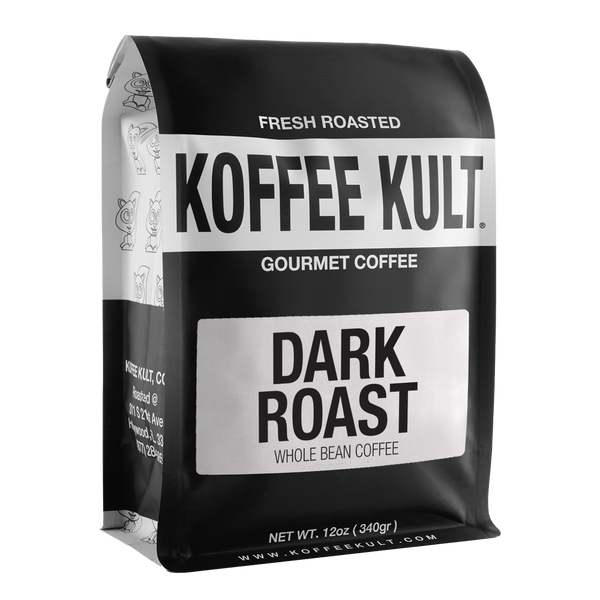
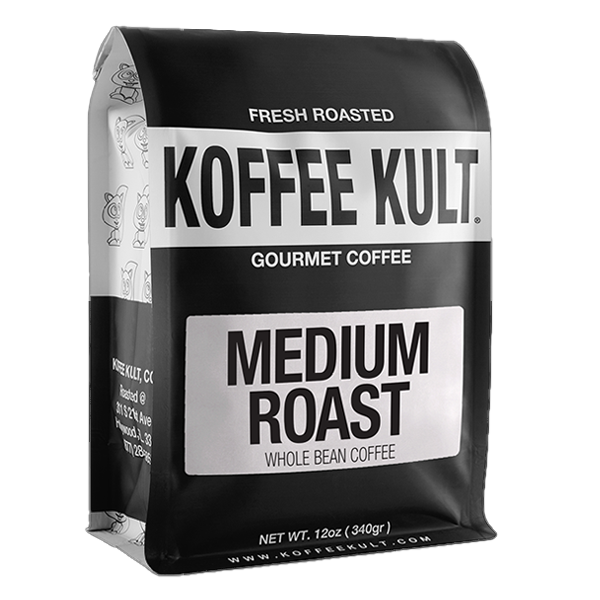
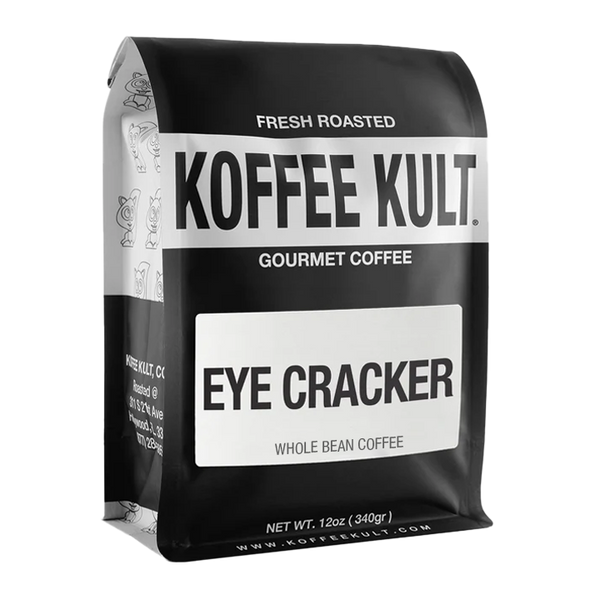
At Koffee Kult, every batch is roasted to order and nitrogen-sealed for freshness, helping preserve the flavors that make specialty coffee worth slowing down and savoring.
The Bottom Line
For most healthy adults, moderate coffee consumption appears to be both safe and compatible with a heart-healthy lifestyle. Current evidence suggests that enjoying up to about 400 milligrams of caffeine per day, roughly 3 to 5 cups of brewed coffee, is generally considered safe and may even be associated with a lower risk of several cardiovascular conditions.
Choose quality coffee, pay attention to how your body responds, avoid excessive added sugars & remember that no single food or beverage determines your overall health.
As always, if you're pregnant, have a heart condition, take medications that interact with caffeine, or have concerns about your caffeine intake, consult your healthcare provider for personalized advice.
Frequently Asked Questions
Is coffee good for your heart?
Current research suggests that moderate coffee consumption is associated with a lower risk of several cardiovascular conditions, including heart disease, stroke & heart failure. While these findings are encouraging, they don't prove that coffee directly prevents heart disease.
How many cups of coffee are safe each day?
For most healthy adults, up to 400 milligrams of caffeine per day, about 3 to 5 eight-ounce cups of brewed coffee, is generally considered safe.
Does decaf coffee have heart health benefits?
Yes. Decaffeinated coffee still contains many of the beneficial plant compounds and antioxidants found in regular coffee, making it a great option for people who are sensitive to caffeine.
Is black coffee healthier than flavored coffee drinks?
Generally, yes. Black coffee contains almost no calories or sugar, while flavored coffee drinks can contain significant amounts of added sugar, syrups & cream that may reduce their overall nutritional value.
Are energy drinks the same as coffee?
No. Coffee and energy drinks differ substantially in their ingredients. Many energy drinks contain high levels of caffeine, added sugar & other stimulants that have different cardiovascular considerations than brewed coffee.
Enjoy Every Cup, Mindfully
Freshly roasted, nitrogen-sealed & full of flavor. No shortcuts, just quality coffee worth savoring.
Shop Our Coffee