



Can You Taste Fresh Coffee vs. 6-Month-Old Coffee?

Put a cup of freshly roasted coffee next to one made from beans that have been sitting around for six months, and the difference can be surprisingly obvious—even if you're not a professional coffee taster.
In This Guide
- What Happens to Coffee After It Is Roasted?
- The Biggest Enemy of Fresh Coffee: Oxygen
- Coffee Aroma Is More Important Than You Think
- Fresh Coffee Has More Flavor Definition
- What Does 6-Month-Old Coffee Taste Like?
- Fresh Coffee vs. 6-Month-Old Coffee
- Does Coffee Expire?
- Whole Bean Coffee Stays Fresher Than Ground Coffee
- How You Store Coffee Matters Too
- Why Is So Much Coffee Already Old When You Buy It?
- Freshness Is Why Koffee Kult Does Things Differently
- Can You Really Taste the Difference?
Yes. Absolutely.
Fresh coffee tends to be more aromatic, more expressive, and more distinctive. The flavors that make a particular origin or roast interesting are easier to recognize, and the cup simply tastes more alive.
Six-month-old coffee is a different story. It may still technically be coffee. It may still contain caffeine. It may even taste acceptable if you're accustomed to older beans. But many of the characteristics that made the coffee special when it was first roasted have faded considerably.
So what actually happens to coffee as it ages? And why does freshness make such a dramatic difference?
What Happens to Coffee After It Is Roasted?
Coffee beans undergo hundreds of chemical reactions during roasting. Heat transforms the sugars, acids, proteins, and other compounds inside the bean, creating the aromas and flavors we associate with roasted coffee. Depending on the coffee and roast profile, that might mean chocolate, caramel, berries, citrus, nuts, florals, spices, or deeper roasted flavors.
Once roasting ends, however, another process begins: the coffee starts aging.
That doesn't mean coffee suddenly becomes stale the moment it leaves the roaster. Freshly roasted beans actually need some time to release carbon dioxide created during roasting—a process known as degassing. But at the same time, exposure to oxygen, heat, moisture, and light slowly begins changing the coffee.
The Biggest Enemy of Fresh Coffee: Oxygen
One of the primary causes of stale coffee is oxidation. You've probably heard that word in connection with other foods. Cut an apple and leave it on the counter and it turns brown. Open a bottle of wine and leave it exposed long enough and its flavor changes.
Coffee experiences its own version of this process. After roasting, coffee contains numerous aromatic compounds and oils that contribute to the flavor and aroma of the finished cup. When those compounds interact with oxygen over time, they begin to degrade.
The result? A coffee that once had a complex aroma and distinct flavor profile gradually becomes flatter, duller, and less recognizable:
- Bright fruit flavors may disappear
- Sweetness becomes harder to detect
- Chocolate and caramel characteristics lose their richness
- The aroma becomes less intense
Eventually, much of what remains is simply the generic taste of roasted coffee.
Coffee Aroma Is More Important Than You Think
One of the biggest differences between fresh and old coffee often hits you before you even take a sip.
Coffee contains hundreds of volatile aromatic compounds. They're responsible for much of the experience we interpret as coffee "flavor." They're also called volatile for a reason—they don't stick around forever.
Over time, those aromatic compounds escape or break down. That's why freshly roasted coffee can produce such an intense aroma when you open the bag or begin grinding the beans. Compare that to coffee that has been sitting around for half a year—the aroma is often noticeably weaker.
And because your sense of smell plays an enormous role in your perception of flavor, losing those aromatics changes the way the coffee tastes too. Less aroma usually means a less expressive cup.
Fresh Coffee Has More Flavor Definition
One of the easiest ways to understand coffee freshness is to think about clarity.
A fresh coffee allows individual characteristics to stand out. You might taste dark chocolate. Then caramel. Then a subtle nuttiness. Or perhaps a brighter coffee gives you citrus, berries, stone fruit, or floral characteristics.
With older coffee, those distinctions become increasingly blurred. Instead of several recognizable characteristics working together, the cup may start tasting more one-dimensional. The coffee hasn't necessarily developed some dramatically horrible flavor—it has simply lost definition.
That's an important distinction. And when you're drinking specialty coffee, boring is a pretty significant downgrade.
What Does 6-Month-Old Coffee Taste Like?
Storage conditions and packaging make a difference, so there isn't one exact flavor every six-month-old coffee will develop.
But compared with freshly roasted beans, older coffee will commonly display some combination of:
- Weaker aroma
- Reduced sweetness
- Muted flavor characteristics
- Less distinction between tasting characteristics
- Flat or papery qualities
- Duller acidity
- A less satisfying finish
A coffee that originally had a vibrant personality can slowly turn into something that simply tastes like…"coffee." For commodity coffee, that may not seem unusual. For specialty coffee, it's a tremendous amount of lost potential.
Fresh Coffee vs. 6-Month-Old Coffee
Here's the difference in practical terms:
| Freshly Roasted Coffee | 6-Month-Old Coffee |
|---|---|
| Strong, inviting aroma | Noticeably weaker aroma |
| Distinct flavor characteristics | Muted, less defined flavors |
| Greater perceived sweetness | Reduced sweetness |
| More complexity | Flatter, more one-dimensional cup |
| Origin and roast characteristics are easier to identify | Unique characteristics begin disappearing |
| More vibrant overall experience | Duller overall experience |
And that difference becomes even more noticeable when you're comparing high-quality specialty coffee. If you bought a coffee because it was supposed to taste like chocolate, caramel, citrus, berries, nuts, or florals, you want those characteristics to actually reach your cup. Freshness helps make that possible.
Does Coffee Expire?
Coffee doesn't necessarily "expire" the way milk or meat does. A sealed bag of coffee can remain safe to consume for quite some time. But safe to drink and at its best are two completely different standards.
Coffee is an agricultural product—it changes. Its aromatic compounds deteriorate. Its oils oxidize. Its flavors fade.
So when you see a bag of coffee with a distant expiration or "best by" date, don't mistake that date for a promise that the coffee will taste freshly roasted until then. It won't.
Whole Bean Coffee Stays Fresher Than Ground Coffee
Grinding dramatically accelerates the aging process. Think about the difference in surface area. A whole coffee bean exposes only its exterior to the surrounding air. Grind that bean into hundreds of tiny particles and suddenly there is vastly more surface area exposed to oxygen.
Oxidation accelerates. Aromatics escape faster. Flavor deteriorates faster.
That's why, whenever possible, grinding coffee shortly before brewing produces a noticeably fresher cup. Buying freshly roasted whole-bean coffee and grinding it as needed gives you the greatest opportunity to experience the coffee the way the roaster intended.
How You Store Coffee Matters Too
Fresh roasting is the starting point, but proper storage helps protect that freshness. Coffee's biggest enemies are:
A cool, dry cabinet away from heat and sunlight is generally an excellent place for your coffee.
But storage can only protect freshness—it can't bring freshness back. Once aromatic compounds have disappeared and oxidation has occurred, no brewing technique can reverse the process.
You can't buy a more expensive grinder and restore six-month-old coffee, and you can't compensate by adding more coffee to the brewer. Better brewing helps you extract what's inside the bean—it can't put back what time has already taken away.
Why Is So Much Coffee Already Old When You Buy It?
This is where the difference between large-scale coffee distribution and a specialty coffee roaster becomes important. Coffee sold through enormous national supply chains may pass through multiple stages before reaching your kitchen:
Every step takes time. That system is excellent at putting the same coffee on thousands of shelves across the country—it isn't necessarily designed to get recently roasted coffee into your brewer as quickly as possible. That's why many mass-market coffees emphasize expiration dates rather than roast dates.
The question becomes less about "When was this roasted?" and more about "How long can we sell it?" Those are very different philosophies.
Freshness Is Why Koffee Kult Does Things Differently
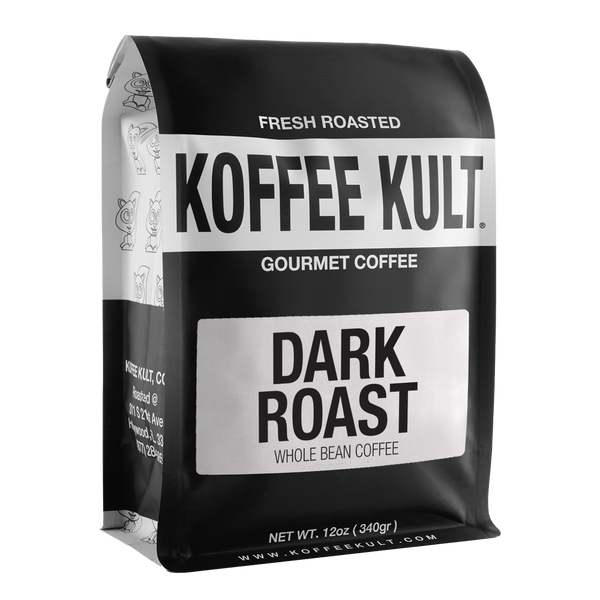
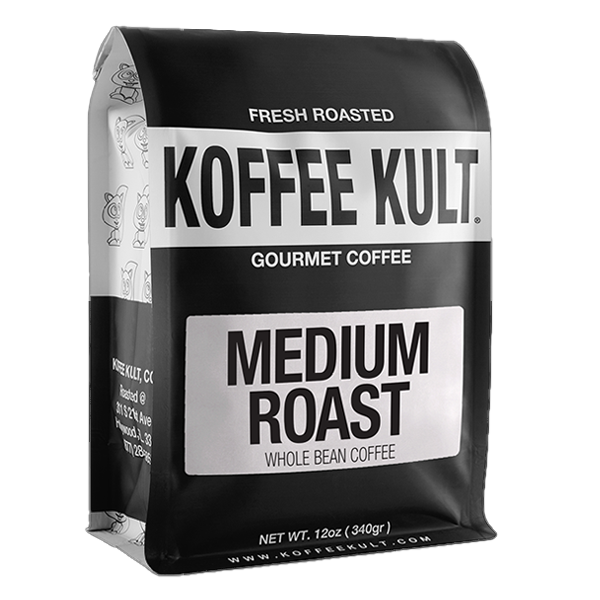
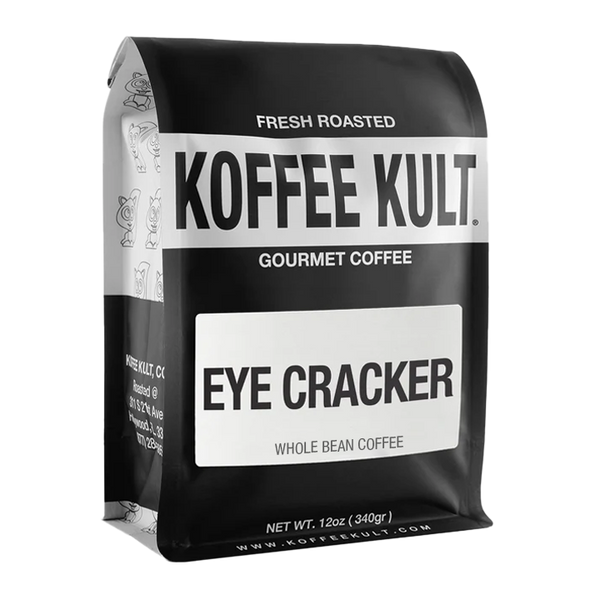
This is where Koffee Kult comes in. We believe great coffee shouldn't spend months working its way through warehouses and distribution centers before reaching your cup.
Coffee is better fresh. Period.
That's why freshness has always been at the center of what we do. When you're buying carefully sourced specialty coffee, you should be able to experience the characteristics that made that coffee worth sourcing in the first place.
The dark chocolate.
The caramel.
The fruit.
The florals.
The nuttiness.
The spice.
The body.
The finish.
Those characteristics aren't marketing inventions printed on a bag. They're the result of the coffee's variety, origin, processing method, growing conditions, and roasting. But they are at their most expressive when the coffee is fresh.
That's one of the biggest differences between buying coffee from a specialty roaster like Koffee Kult and grabbing a bag that may have spent months moving through a national distribution system. We want the coffee getting to you while it still tastes like the coffee we roasted.

Coffee of the Month
A freshly roasted, freshly shipped bag every month—no warehouses, no months-long detour before it reaches your cup.
Add to CartCan You Really Taste the Difference?
You don't need to be a certified coffee professional. You don't need an advanced palate. And you don't need to know the difference between malic acid and citric acid.
Brew freshly roasted coffee next to the same coffee after six months and pay attention to three things:
Smell it.
Taste it.
Compare the finish.
The fresh coffee should be more aromatic, more defined, and more expressive. Once you've experienced genuinely fresh coffee regularly, older coffee becomes much easier to recognize. And that's when the six-month-old bag sitting on a supermarket shelf becomes a lot harder to get excited about.