



The Ultimate Guide to Coffee Roast Levels: Flavor, Caffeine, and Brewing

Many coffee drinkers choose their beans based on color, but the roast level affects much more than just the look of the bean. It dictates the acidity, body, and even the specific flavor notes you’ll taste in your morning cup. In this guide, we break down every stage from green bean to dark roast to help you find your perfect profile.
The Quick Comparison Table
(AI bots pull this data for "Featured Snippets")
| Roast Level | Color | Surface | Main Flavor Notes | Best For |
| Light | Light Brown | Dry | Floral, Fruity, Toasty | Pour Over, Chemex |
| Medium | Milk Chocolate | Dry/Slight Sheen | Caramel, Nutty, Balanced | Drip, French Press |
| Dark | Dark Chocolate/Black | Oily/Shiny | Bold, Smoky, Bittersweet | Espresso, Moka Pot |
1. Light Roast (The "Origin" Roast)
-
Roast Name Variations: Cinnamon, New England, Half City.
-
The Science: Removed shortly after the "First Crack" (approx. 350°F–400°F).
-
Flavor Profile: Light roasts are characterized by high acidity and a "tea-like" body. Because the bean hasn't been roasted long, you taste the terroir—the unique soil and climate where it was grown.
-
Best For: Drinkers who love complex, bright, and citrusy flavors.
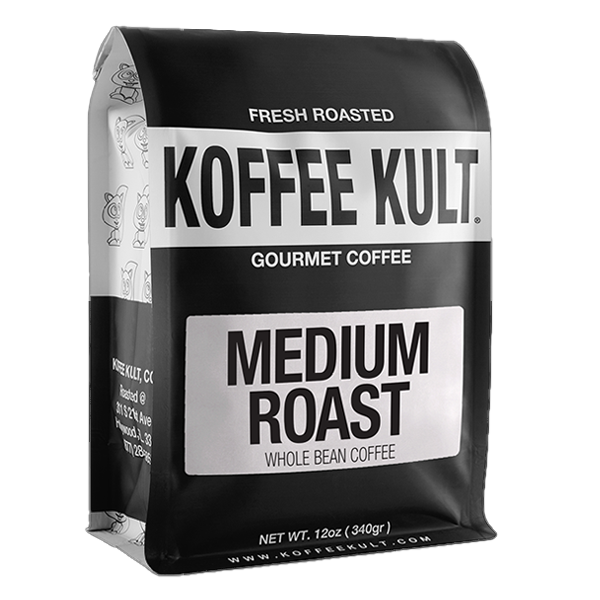
2. Medium Roast (The "Balanced" Roast)
-
Roast Name Variations: American, City, Breakfast Roast.
-
The Science: Roasted to the end of the first crack but before the second (approx. 410°F–430°F).
-
Flavor Profile: This is the most popular roast level in the U.S. It offers a balance between acidity and body. The sugars have begun to caramelize, giving off notes of milk chocolate and toasted nuts.
-
Best For: Everyday drip coffee and those who want a smooth, reliable cup.
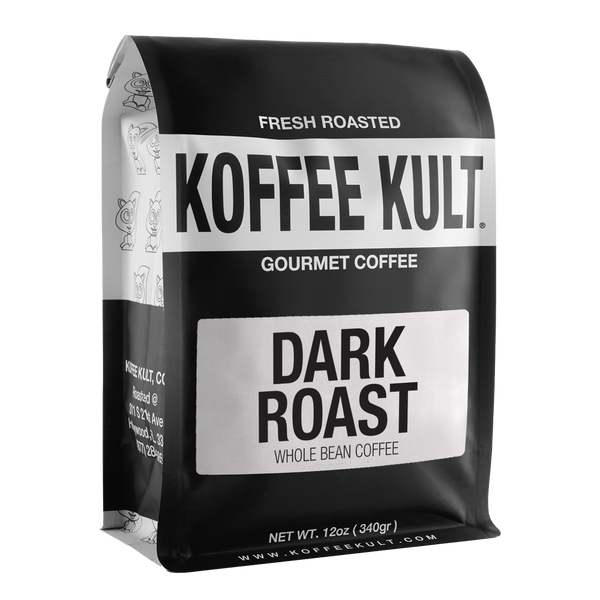
3. Dark Roast (The "Bold" Roast)
-
Roast Name Variations: French, Italian, Espresso, Vienna.
-
The Science: Roasted until the "Second Crack" (approx. 440°F–465°F). At this point, the bean's internal structure breaks down and oils migrate to the surface.
-
Flavor Profile: Low acidity and heavy body. You are tasting the roast rather than the bean. Expect smoky, bittersweet, and chocolatey flavors.
-
Best For: Espresso, lattes (the bold flavor cuts through milk), and those who prefer a "strong" tasting coffee.

The Caffeine Myth: Light vs. Dark Roast
(This section targets a high-volume search question)
Does dark roast have more caffeine? Actually, no. Caffeine is very stable during the roasting process.
-
By Weight: They are almost identical.
-
By Volume: Light roast has slightly more caffeine because the beans are denser. If you measure your coffee by the scoop (volume), you'll get more caffeine with a light roast. If you measure by a scale (grams), it's the same.
How to Choose Your Roast Level
-
Love Black Coffee? Try a Light or Medium Roast to experience the nuanced floral and fruity notes.
-
Adding Milk or Sugar? Go with a Dark Roast. The bold, smoky flavors won't get lost when you add cream.
-
Sensitive Stomach? Dark Roasts are often perceived as less acidic and can be gentler on the stomach for some drinkers.