


Why Specialty Espresso Drinks Are Taking Over in 2026

Something is shifting in the way people drink coffee — and it's not subtle. Drip coffee and cold brew are still around, but in 2026, the cup that's winning hearts (and morning routines) is the specialty espresso drink. Lattes. Macchiatos. Cortados. Straight double shots pulled with intention. Consumers aren't just looking for caffeine anymore. They want an experience — and they want to make it themselves.
In This Article
Why Specialty Espresso Is Having Its Moment
The data from Daily Coffee News is clear: specialty espresso-based beverages are surging, and the trend isn't driven by novelty. It's driven by a deeper consumer desire for quality, customization, and ritual. People want to know what's in their cup, where the beans came from, and how the drink was made.
Drip coffee has always been the workhorse of the American morning. Cold brew had its cultural moment. But espresso — with its concentrated intensity, its layered aromatics, its ability to become a latte or a macchiato or a straight shot depending on your mood — offers something neither of those formats can: genuine versatility without sacrificing depth.
This isn't just a café trend. It's a home brewing trend. Consumers are investing in espresso machines, learning milk-steaming technique, and seeking out beans that are actually built for the portafilter. The home barista era is fully here.
What Consumers Are Actually Ordering (and Why)
The shift toward specialty espresso drinks isn't random. It reflects a broader cultural appetite for premium, intentional experiences — the same instinct that drives people toward craft beer, small-batch spirits, and single-origin chocolate. Coffee is no different.
"Consumers aren't just looking for caffeine anymore — they want a premium, customizable coffee experience that feels personal and crafted." — Daily Coffee News, May 2026
The drinks leading this surge share a few things in common. They're espresso-forward. They reward good beans. And they're highly customizable — oat milk or whole, one shot or two, flavored or straight. That combination of quality and personalization is exactly what today's coffee drinker is after.
The drinks driving the trend:
- Lattes — the gateway drink that rewards a well-pulled shot and properly steamed milk
- Macchiatos — small, bold, and increasingly popular among drinkers who want espresso intensity with a touch of texture
- Cortados — equal parts espresso and warm milk, a drink that demands a balanced, medium-to-dark roast
- Straight espresso shots — the purist's choice, where bean quality has nowhere to hide
- Specialty lattes — seasonal, flavored, and endlessly creative variations that keep the format fresh
Bringing the Café Home: What It Actually Takes
The good news is that pulling café-quality espresso at home is more achievable than it's ever been. Entry-level espresso machines have improved dramatically, and the information gap — once a real barrier — has largely closed. What hasn't changed is this: the bean is still the foundation.
You can have a beautiful machine, a precise grinder, and perfect technique — and still end up with a flat, bitter, or hollow shot if the coffee isn't roasted for espresso. Espresso demands beans with enough body and sweetness to hold up under pressure, enough complexity to reward a slow sip, and enough consistency to pull the same way twice.
What to look for in an espresso-ready bean:
- Roast level: Medium-dark to dark roasts tend to produce the rich, low-acid shots that work beautifully in milk-based drinks
- Body: Look for full-bodied coffees with natural sweetness — they'll cut through milk without disappearing
- Freshness: Espresso is unforgiving of stale beans; always check the roast date
- Grind consistency: A quality burr grinder matters as much as the machine itself
For more on building a home brewing setup that actually performs, check out the Koffee Kult brewing guides and coffee education blog — there's a lot there for both beginners and experienced home baristas.
The Technical Details: Ratios, Temps, and Timing
Great espresso isn't magic — it's repeatable. These are the numbers that matter. Get these dialed in and your shots will be consistent, your lattes will be balanced, and your macchiatos will actually taste like something.
- Dose (ground coffee): 18–20g for a double shot
- Yield (liquid espresso): 36–40g — a 1:2 brew ratio is the standard starting point
- Extraction time: 25–30 seconds from first drop to last
- Water temperature: 195–205°F (90–96°C) — just off the boil
- Brew pressure: 9 bars is the traditional standard for espresso machines
- Milk temperature for steaming: 140–150°F for lattes and cortados; avoid scorching above 160°F
- Grind size: Fine, but not powdery — aim for a texture like table salt
- Rest time after roasting: Allow beans to degas for 5–10 days post-roast before pulling espresso shots
These specs apply to most home espresso machines. Semi-automatic machines give you the most control over dose and yield — which is exactly where beginners should start.
5 Specialty Espresso Drinks Worth Mastering
Each of these drinks starts with a well-pulled double shot. The rest is technique — and the right beans.
01
The Latte
A double shot topped with 6–8oz of steamed milk and a thin layer of microfoam. The most forgiving of the espresso drinks — and the best canvas for latte art. Use a full-bodied dark roast so the espresso doesn't disappear into the milk.
02
The Macchiato
A double shot "stained" with a small dollop of steamed milk foam. Tiny, bold, and intensely espresso-forward. This drink rewards a bright, complex roast — every flavor note is on full display.
03
The Cortado
Equal parts espresso and warm (not frothy) milk — typically 2oz each. The milk cuts the acidity without masking the flavor. A medium-dark roast with natural sweetness is ideal here.
04
The Straight Shot
No milk. No sugar. Just 1–2oz of concentrated espresso. The purist's format — and the most honest test of your beans and technique. Freshness and grind consistency matter more here than anywhere else.
05
The Specialty Latte
A latte built around a seasonal or creative flavor — lavender, brown sugar, cardamom, or whatever inspires you. The espresso base still needs to be strong enough to anchor the flavors. Don't let the syrup do all the work.
Why the Bean Is Everything
Here's the honest truth about specialty espresso: the machine gets too much credit and the bean doesn't get enough. A modest machine with exceptional beans will consistently outperform an expensive machine loaded with mediocre coffee. The roast, the origin, the freshness — these are the variables that actually determine what ends up in your cup.
At Koffee Kult, we roast in small batches out of our Hollywood, Florida roastery. That's not a marketing line — it's the reason our beans arrive to you at peak freshness, with the kind of aroma that hits you the moment you open the bag. Dark chocolate. Brown sugar. A whisper of smoke. That's what a properly roasted espresso bean should smell like before you've even ground it.
Two beans built for the portafilter:
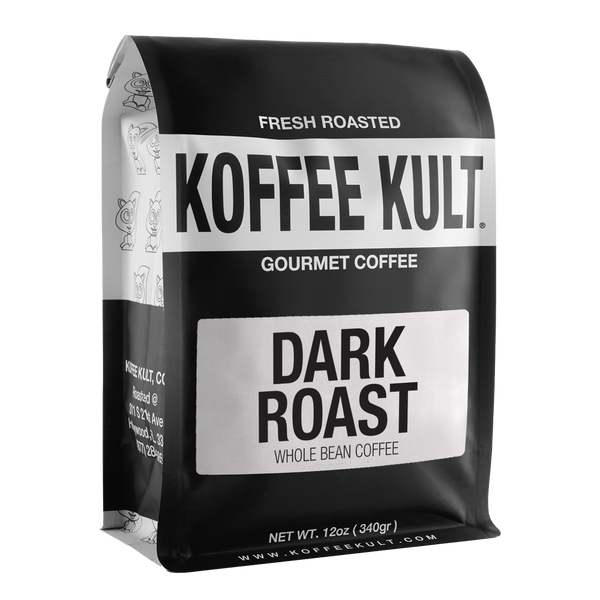
Our Dark Roast Coffee Beans are the workhorse of our espresso lineup — full-bodied, low-acid, and rich with the kind of deep, roasty sweetness that holds up beautifully in a latte or cortado. Pull a double shot and you'll get a thick, caramel-toned crema that tells you everything is working.
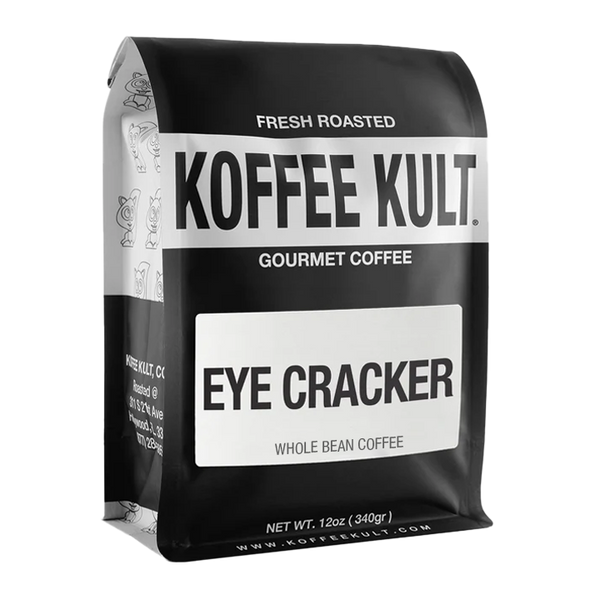
If you want something with more brightness and edge, our Eye Cracker Espresso Beans are roasted specifically for the portafilter — bold, bright, and complex enough to stand alone as a straight shot or cut through a macchiato without losing its character.
Quick Tip
If your espresso tastes sour, your extraction is too fast — grind finer or increase your dose. If it tastes bitter and harsh, you're over-extracting — grind coarser or reduce your brew time. The sweet spot is a 25–30 second pull with a balanced, slightly sweet finish. Start there and adjust one variable at a time.
Start Pulling Better Shots
The specialty espresso moment is here — and it's not going anywhere. Whether you're pulling your first shot or dialing in a new bean, the difference between a good espresso drink and a great one almost always comes back to what's in the hopper.
We roast every batch with intention at our Hollywood, FL roastery, and we ship fresh so you're never working with coffee that's been sitting in a warehouse. If you want to taste the difference that small-batch roasting makes, start with our Dark Roast or go bold with the Eye Cracker Espresso.
And if you want fresh, small-batch coffee showing up at your door every month without thinking about it — that's exactly what our Coffee of the Month Club is built for. New roasts, rotating selections, always fresh. It's the easiest upgrade you can make to your morning.
Ready to pull your best shot yet?
Shop our espresso blends, visit us in Hollywood, FL, or let the Coffee of the Month Club bring the roastery to your door.
Shop Espresso Beans Join the Monthly ClubNet Orders Checkout
| Item | Price | Qty | Total | |
|---|---|---|---|---|
| Subtotal |
$ 0.00 |
|||
| Shipping | ||||
| Total | ||||