


From the Farm to Cup: How Koffee Kult Sources Its Coffee

Discover the real farmers and suppliers behind every sip. Learn how sourcing matters, and why every latte tastes better when you know the story.
Most people order their coffee, drink it, and move on. But behind every cup pulled at Koffee Kult, there's a chain of hands — farmers, processors, and importers — who made that moment possible.
In This Post
Why Origin Transparency Matters in South Florida
Hollywood sits minutes from Port Everglades, one of the busiest cruise terminals and cargo ports in the Southeast. Millions of pounds of goods — including green coffee — move through that port every year. Most of it gets absorbed into anonymous supply chains and ends up in grocery store cans with no story attached.
This roastery takes a different approach. Every bean roasted on-site in Hollywood is traceable to a specific growing region, processed using a documented method, and selected for flavor — not just price.
The Farms Behind the Blends
Huila, Colombia — The Backbone of the Cup

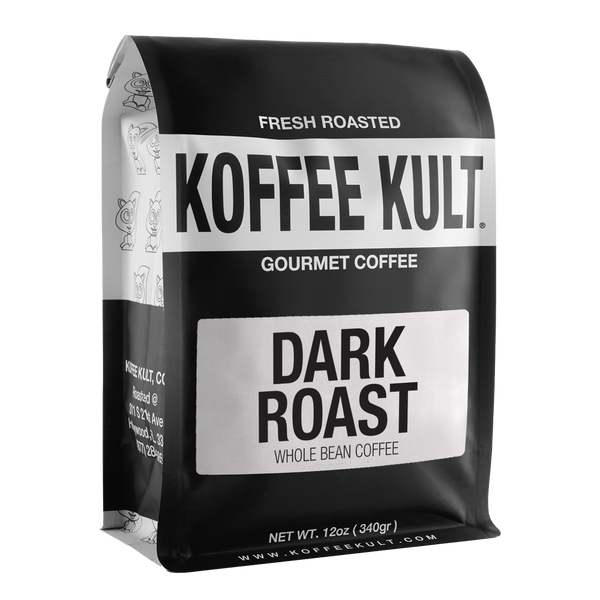
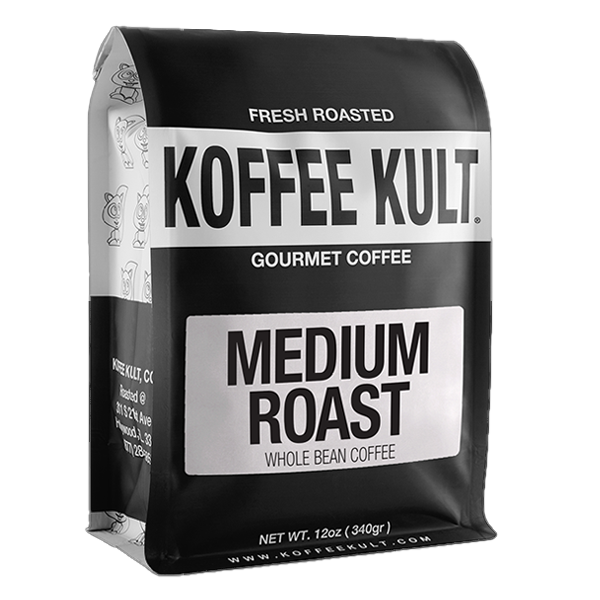
The Colombia Huila comes from small producers in Southern Colombia, one of the most respected growing regions in the world. It's fully washed, sun or mechanically dried, and cups with a heavy body, smooth finish, cinnamon brightness, and a long aftertaste. It anchors both the house Medium Roast blend and the single-origin retail bag.
Naranjo, Costa Rica — Honey Process Done Right

The Costa Rica Naranjo La Rosa comes from the Canuela area of the Naranjo district — a micro-region known for meticulous processing. This one is honey process, meaning the fruit mucilage is left on the bean during drying on raised beds. The result is a naturally sweet cup with cherry, orange, and cocoa notes.
Kenya AA — Volcanic Soil, Elevated Standards

Grown on volcanic soils between 4,900 and 6,800 feet by smallholder farms across Kenya, the Kenya AA is one of the most complex coffees in the retail lineup. It's fully washed and raised-bed dried, cupping with caramel, apple raisin, wine notes, and a balance that's hard to find at any price point.
Sumatra Mandheling — The Wild Card

From the Batak Region of West-Central Sumatra, this dark roast single origin goes through wet-hulled processing — a method unique to Indonesia called giling basah. It produces that signature syrupy body, baker's chocolate depth, and clean finish that Sumatra lovers recognize immediately.
From Farm to Hollywood, FL
Growing exceptional coffee is only the first part of the story. Once the cherry is picked and processed, green coffee still has a long road before it reaches a roaster — and a lot can go wrong along the way.
After processing and drying, lots are milled, graded, and bagged in grain-pro or burlap sacks for export. From there, they move through licensed exporters and specialty green coffee importers who handle the logistics of international shipping, customs, and quality documentation. Port Everglades — just down the road from the Hollywood roastery — is one of the main entry points for coffee coming into South Florida. Millions of pounds of green coffee move through Southeast Florida ports every year, most of it destined for commercial roasters and anonymous supply chains.
The difference here is what happens at the selection stage, before any of that coffee ever arrives.
How the Lots Get Chosen
Specialty green coffee is evaluated by cup score — a standardized 100-point scale developed by the Specialty Coffee Association (SCA) and used by trained Q Graders to assess aroma, flavor, acidity, body, and aftertaste. Coffees scoring 80 and above qualify as specialty grade. Koffee Kult follows SCA cupping protocols when evaluating lots, and the origins in the lineup score well above that floor.
But cupping scores alone don't tell the whole story. The selection process also weighs processing method, farm size, regional consistency from harvest to harvest, and whether the flavor profile actually serves what's being built in the roast room. A Kenya AA with great scores but the wrong body for a blend doesn't make the cut. The goal isn't to collect impressive origins — it's to source coffees that perform.
In-House Roasting Changes Everything
Most coffee shops buy pre-roasted beans from a regional distributor. The roast date could be weeks old before it hits the grinder. Here, the roastery is on the same property as the café. Beans are roasted in small batches, rested the appropriate amount of time, and used at peak freshness.
For the customer sitting at an outdoor table on S 21st Ave, that means a cup that reflects exactly what the farmer grew and the roaster intended — not a degraded version of it.
Come Experience It Yourself
Knowing where your coffee comes from changes how it tastes. Once you've had a Kenya AA pour over and understood the volcanic soil it came from, or sipped a seasonal pumpkin latte built on a genuinely great espresso base, grocery store coffee starts to feel like a different product entirely.
Stop in for a cup at 311 S 21st Ave in Hollywood, FL, swing by for curbside pickup, or order delivery if you're staying close to home. The farmers did their part. The roasters did theirs. The last step is yours.
Explore the Whole Lineup
Not sure where to start? The Coffee of the Month Club puts a freshly roasted, roaster-selected bag on your doorstep every month — no guesswork, no stale beans.
Join the Coffee Club