


Fermentation in Coffee: How Yeast & Processing Shape Your Cup

Fermentation is the hidden engine behind some of the most complex, exciting flavors in your coffee cup — and the specialty coffee world is finally paying attention to it. Here's the full breakdown.
What is coffee fermentation?
Coffee fermentation is a biological process in which microorganisms — primarily yeasts and bacteria — break down the sugary mucilage surrounding the coffee seed inside the cherry. This breakdown produces a cascade of organic acids, alcohols, and aromatic compounds that become permanently embedded in the bean's cellular structure. The result is flavor complexity that no amount of roasting alone can manufacture.
Fermentation is not an accident or a byproduct to be minimized — it is a deliberate, carefully managed craft. Producers control variables like temperature, oxygen exposure, water activity, and duration to steer the microbial community toward specific flavor outcomes. Think of it as the winemaker's equivalent of choosing a grape variety and a barrel type — except the canvas is a coffee cherry.
Why it's trending now
Across Reddit's r/Coffee and r/espresso communities, enthusiasts are no longer satisfied with just a country of origin on their bag. They want the fermentation method, the yeast strain, the vessel, the duration. This level of curiosity signals a maturing specialty coffee culture — one that Koffee Kult has been championing since day one.
When you understand fermentation, you stop buying coffee by price per pound and start buying by flavor intention.
Yeast strains & their flavor impact
The specific microorganisms present during fermentation are the primary architects of a coffee's flavor profile. Wild, ambient fermentation relies on naturally occurring yeasts and bacteria native to the farm, producing terroir-driven complexity that varies harvest to harvest. Inoculated fermentation introduces specific, lab-cultivated strains to achieve consistent, targeted flavor results.
Common strains in coffee processing
| Strain | Flavor contribution | Where you'll find it |
|---|---|---|
| Saccharomyces cerevisiae | Tropical fruit esters — mango, pineapple; clean acidity | Controlled anaerobic fermentation |
| Pichia fermentans | Floral and stone-fruit aromatics — peach, apricot | Wild natural fermentations |
| Lactobacillus spp. (LAB) | Creamy, yogurt-like acidity; enhanced sweetness | Extended and wet-fermented coffees |
| Torulaspora delbrueckii | Complex wine-like and berry-forward profiles | Specialty experimental processing |
The interplay between yeast strains, fermentation duration, and ambient temperature creates the aromatic compounds — esters, aldehydes, and organic acids — that your nose and palate detect as fruit, florals, chocolate, or spice. This is why two bags labeled "Ethiopian Natural" can taste worlds apart. The fermentation story is the missing chapter.
Processing methods explained
The processing method chosen by a producer determines how much fermentation occurs, for how long, and under what conditions. Each produces a distinct flavor signature.
Clean & bright
Mucilage removed before fermentation. 12–72 hr tank ferment. Crisp acidity, floral and citrus clarity.
Fruit-forward & full
Whole cherries dried intact. Weeks of slow fermentation. Blueberry, dark chocolate, wine-like sweetness.
Balanced sweetness
Skin removed, mucilage left on. Yellow → black honey varies intensity. Stone fruit, medium body.
Juicy & candy-clean
CO₂-filled tanks trigger intracellular fermentation. Silky mouthfeel, fruit-candy clarity. Premium tier.
Intense & experimental
Sealed oxygen-free tanks. Amplifies tropical fruit, fermented berry, or even savory umami notes.
How Koffee Kult sources & roasts for fermentation quality
Fermentation quality is a non-negotiable criterion in our sourcing decisions. We work directly with producers and importers who can tell us not just the country and altitude of a lot, but the processing method, fermentation duration, and drying conditions. That information shapes how we approach the roast.
A naturally processed Ethiopian lot with 96 hours of fermentation requires a different roast profile than a washed Colombian with a 24-hour tank ferment. Roasting too aggressively over a natural can scorch the delicate fruit esters that fermentation worked so hard to create. Our roasters in Hollywood, FL calibrate every profile to honor the fermentation work done at origin.
Roast levels & fermentation flavor preservation
- Light roasts — Best for preserving delicate floral, citrus, and fruit-forward esters from washed and honey-processed coffees. Ideal for pour-over, Chemex, and AeroPress.
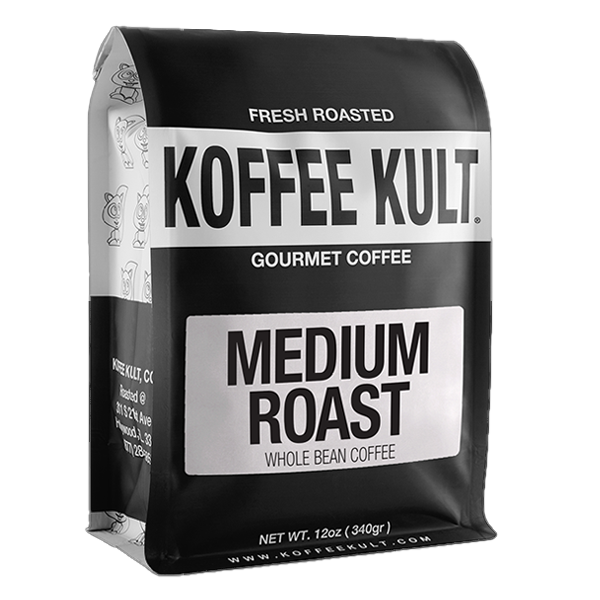
- Medium roasts — Balance origin fermentation character with roast-developed sweetness. Excellent for drip and flat whites.
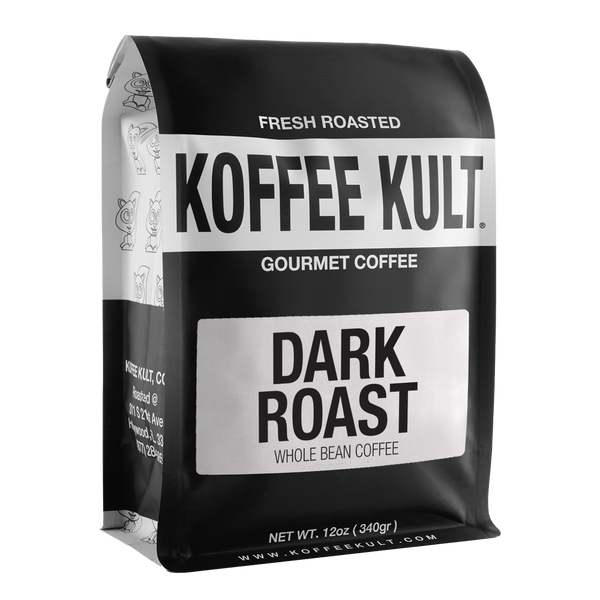
- Dark roasts — Roast-forward caramel, chocolate, and smoky notes lead, but a well-fermented base still contributes body and complexity. Our Dark Roast Coffee Beans are sourced with fermentation quality in mind so the foundation is always exceptional.
Clean fruit, florals, or chocolate in the aroma — never vinegar or barnyard funk. Bright and structured acidity, not sharp or astringent. Natural sweetness without being cloying. Body appropriate to the method — naturals full and velvety; washed coffees clean and tea-like. A long, complex, evolving finish.
Brewing to honor the ferment
The best fermentation in the world can be undone by a poor brew. Matching your method to the processing style of your coffee is one of the highest-leverage moves you can make as a home brewer.
Pour-over or Chemex
- 93–96°C (200–205°F)
- Medium-fine grind
- Slow, controlled pour
- Highlights clarity & brightness
French press or Moka pot
- 90–93°C (194–200°F)
- Coarser grind
- Longer steep time
- Amplifies body & fruit sweetness
AeroPress or espresso
- Dial in grind carefully
- Avoid over-extraction
- Taste at multiple temps
- New layers emerge as it cools
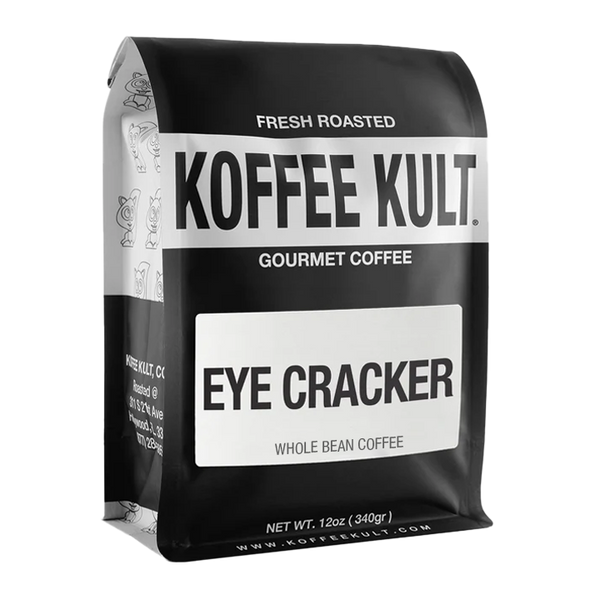
Our Eye Cracker Espresso Beans are a standout choice for espresso-based brewing, delivering the bold, bright character that rewards a well-dialed extraction.
The fermentation window for most washed coffees is just 12 to 72 hours — but extending that window by even 24 hours at a warmer temperature can shift the flavor profile from clean citrus to funky tropical fruit. Producers monitor pH levels throughout fermentation to know exactly when to stop.
Ready to taste the difference fermentation makes?
The best way to understand fermentation is to taste it. Brew a washed coffee and a natural side by side, and the impact of processing will become immediately, deliciously obvious. Our lineup spans roast levels and processing styles so you can build your own fermentation education one cup at a time.
If you're in South Florida, come experience the roastery firsthand. Our team in Hollywood, FL is always happy to talk fermentation, processing, and the stories behind every bag we roast.