



Cold Brew Concentrates: Brew Café Quality at Home

The cold brew you've been buying at the café? You can make a better version at home — and it costs a fraction of the price. Cold brew concentrates have quietly become one of the most talked-about home brewing methods of 2026, and for good reason: a single batch brewed on Sunday can fuel your entire week.
The shift isn't just about saving money. It's about control — over the roast, the ratio, the flavor profile. And when you start with the right beans, the results are genuinely remarkable.
In This Article
Why Cold Brew Concentrate Is Having a Moment
Cold brew has been popular for years, but the concentrate format is what's driving the current wave. Rather than brewing a single-serve batch, you brew a dense, highly extracted concentrate that you dilute to taste — giving you flexibility, longer shelf life, and a much more intense flavor payoff.
Reddit's coffee communities and Google Trends data both point to the same thing: people aren't just curious about cold brew anymore. They're actively searching for how to make it at home, specifically in concentrate form. The appeal is practical. One batch. Multiple drinks. Zero compromise on quality.
The warmer months accelerate this every year, but what's different in 2026 is that cold coffee has fully shed its seasonal label. As we've written before, cold coffee is a year-round ritual for millions of drinkers — and the home brewing trend is a natural extension of that permanence.
"I used to spend $7 a day on cold brew. Now I make a concentrate on Sunday and it lasts all week. The flavor is actually better because I can choose my own beans." — Reddit r/Coffee community member, May 2026
The Bean Makes the Brew
Cold brew is an unforgiving method in the best possible way — it amplifies everything. A mediocre bean produces a flat, lifeless concentrate. A well-sourced, properly roasted bean produces something that tastes like it came from a specialty café.
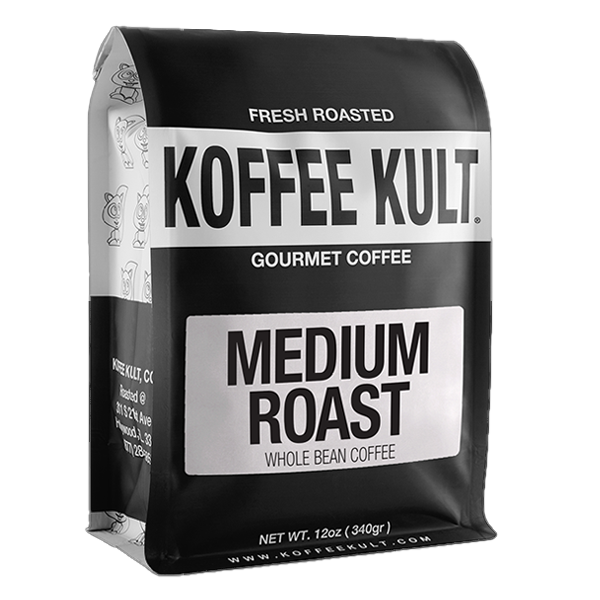
The roast level matters enormously here. Medium-dark to dark roasts tend to shine in cold brew because the extended cold extraction draws out deep chocolate, caramel, and nutty notes without the bitterness that hot water can introduce. The low-and-slow process is naturally forgiving of roast depth — it smooths the edges and lets sweetness come forward.
What to Look for in a Cold Brew Bean
- Roast level: Medium-dark or dark for richness and body
- Origin character: Latin American and Indonesian beans often bring the chocolate and earthy depth that concentrates reward
- Freshness: Beans roasted within the last 2–4 weeks extract more cleanly and completely
- Grind consistency: A coarse, even grind prevents over-extraction and keeps the concentrate clean
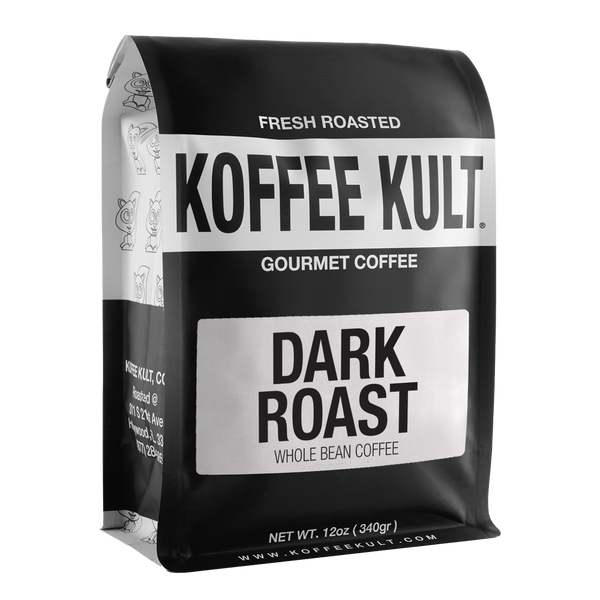
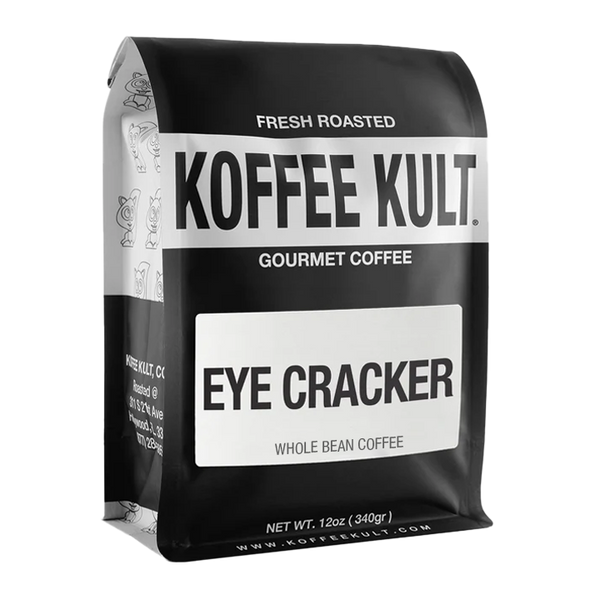
Our Dark Roast Coffee Beans were practically made for this. The roast profile brings forward notes of dark chocolate and brown sugar — flavors that cold extraction handles beautifully. If you want something with a little more edge and complexity, the Eye Cracker Espresso Beans bring a bold brightness that cuts through milk and ice without losing its character.
Every bag we roast comes out of our Hollywood, FL roastery — small-batch, to order, so the beans you're brewing with are genuinely fresh. That freshness isn't a marketing claim. It's the difference between a concentrate that tastes alive and one that tastes flat.
Cold Brew Concentrate: The Technical Details
These are the numbers that actually matter. Adjust within these ranges based on your taste preference — but start here.
- Brew ratio (concentrate): 1:4 coffee to water by weight (e.g., 100g coffee to 400g water)
- Brew ratio (standard cold brew): 1:8 coffee to water by weight
- Grind size: Coarse — similar to French press, roughly 900–1000 microns
- Water temperature: Cold filtered water (35–45°F / 2–7°C) or room temperature (68–72°F / 20–22°C)
- Steep time (cold water): 18–24 hours in the refrigerator
- Steep time (room temperature): 12–16 hours, then refrigerate immediately
- Filtration: Fine mesh strainer followed by a paper filter or cheesecloth for clarity
- Shelf life: Up to 14 days refrigerated in a sealed container
- Serving dilution: 1 part concentrate to 1–2 parts water, milk, or milk alternative
Pro note: Room-temperature brewing extracts slightly faster and can produce a brighter, fruitier profile. Cold-water brewing is slower but tends to yield a cleaner, smoother result. Both work — it comes down to your schedule and flavor preference.
5 Things That Separate Good Cold Brew from Great Cold Brew
Most cold brew guides cover the basics. These are the details that actually move the needle.
01 — Freshness
Use Fresh-Roasted Beans
Stale beans produce flat, papery concentrates. Beans roasted within the past 2–4 weeks extract with noticeably more depth and sweetness.
02 — Grind
Grind Coarse and Consistently
Fine grinds over-extract and turn bitter. A burr grinder set to coarse produces a cleaner, more balanced concentrate every time.
03 — Water
Filtered Water Only
Tap water with heavy chlorine or mineral content will compete with your coffee's flavor. Filtered water lets the bean speak for itself.
04 — Patience
Don't Rush the Steep
Under-steeping produces a weak, watery concentrate. The 18–24 hour window in the fridge is where the magic actually happens — trust the process.
05 — Filtration
Filter Twice for Clarity
A single mesh strainer leaves fine sediment that muddies the flavor. A second pass through a paper filter or cheesecloth produces a concentrate that's clean, clear, and shelf-stable longer.
Quick Tip: Serving Your Concentrate
Quick Tip
Freeze leftover concentrate into ice cubes. Use them in place of regular ice when serving — your drink gets stronger as it "melts," not weaker. It's a small detail that makes a big difference in the glass.
Once you have a concentrate you're proud of, the serving options open up fast. Dilute 1:1 with cold water for a straight cold brew. Use oat milk or whole milk for something richer. Add a splash of simple syrup if you want sweetness without the graininess of undissolved sugar.
The concentrate format also makes it easy to experiment. Try it over ice with a pinch of salt to bring out sweetness. Blend it with ice and a little cream for a quick frozen coffee. Use it as the base for a coffee tonic — concentrate over sparkling water with a slice of orange is genuinely excellent on a hot afternoon.
Start Brewing Something Worth Drinking
The best cold brew concentrate you'll ever make starts with the right beans. We roast in small batches at our Hollywood, FL roastery — so what arrives at your door is genuinely fresh, not sitting in a warehouse somewhere.
Here's where to start:
- Dark Roast Coffee Beans — our go-to recommendation for cold brew concentrate. Deep chocolate, brown sugar, and a smooth finish that cold extraction brings out beautifully.
- Eye Cracker Espresso Beans — for a bolder, brighter concentrate with more edge. Excellent if you're diluting with milk or making coffee tonics.
- Coffee of the Month Club — if you want to keep experimenting, our subscription delivers freshly roasted beans on a schedule that works for you. It's the easiest way to stay stocked and keep your cold brew game evolving.
Cold brew rewards good ingredients and a little patience. Give it both, and you'll never pay café prices for cold coffee again.